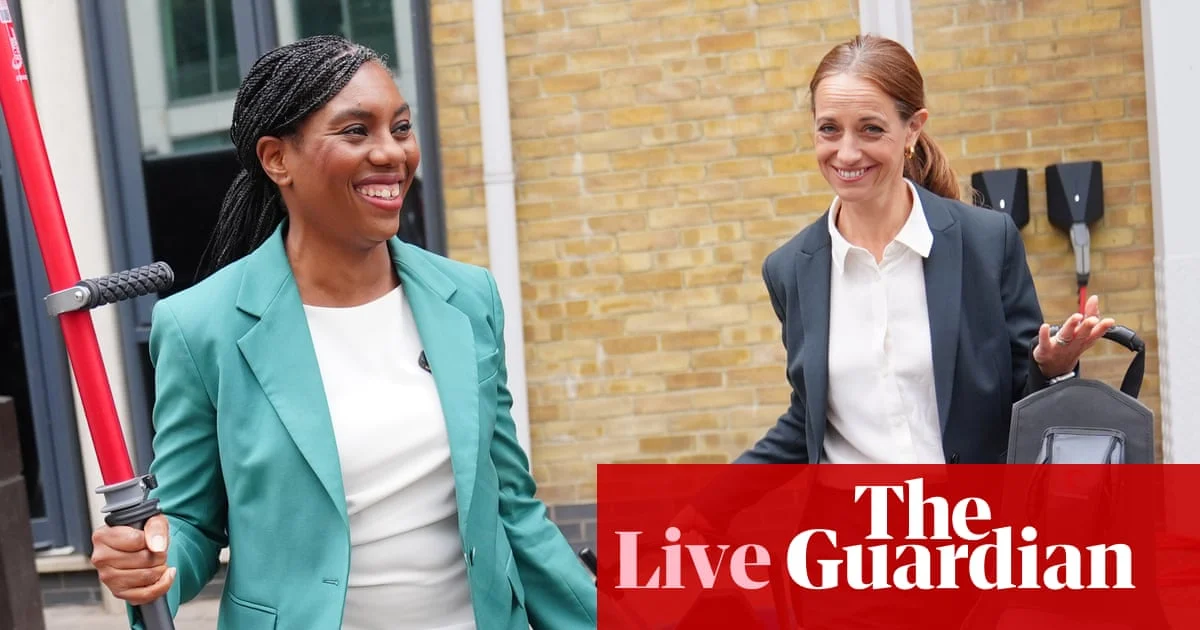
Conservative leader Kemi Badenoch has said her party could not enter into a pact with Reform UK, citing concerns that the party is too ‘problematic’ to work with. The comments come amid ongoing scandals surrounding Reform UK leader Nigel Farage’s party, which Badenoch believes could undermine efforts by the Conservatives to rebuild their public reputation. She suggested that aligning with Reform UK would be politically damaging, especially as the Conservative Party seeks to distance itself from controversy and present a united front ahead of future electoral challenges.
The statement adds to mounting pressure on the Conservatives as they attempt to regain voter trust following a string of damaging headlines. While Reform UK has gained traction in recent polling, Badenoch emphasized that ideological alignment alone is not enough to justify a formal alliance. Her stance reflects broader tensions within the right-wing political landscape in the UK, where traditional parties are grappling with the rise of populist movements and shifting voter allegiances.
Key Facts
- Conservative leader says Tories won’t form pact with Reform UK
- Cites Reform UK as too ‘problematic’ for partnership
- Scandals around Farage’s party could harm Tory reputation
- Badenoch stresses need for reputational clean-up
What Happens Next?
The Conservative Party is expected to continue its strategy of distancing itself from populist allies, focusing instead on appealing to centrist voters who may be put off by far-right politics. As the next general election draws nearer, the Tories face increasing pressure to define their identity separate from both Labour and Reform UK. Analysts suggest that Badenoch’s position reflects an internal calculation that moderates are key to electoral success.
Reform UK, meanwhile, continues to push for greater influence within the conservative movement, despite resistance from establishment figures. Whether this tension leads to further fractures or a realignment of forces remains uncertain. For now, the Conservative leader’s remarks signal a clear boundary—one that could shape the dynamics of UK politics well into the coming year.
How Did We Get Here?
The idea of a Tory-Reform pact has been floated by some commentators as a way to consolidate the right vote and prevent vote-splitting. However, persistent scandals involving Reform UK figures have complicated such discussions. Badenoch’s refusal to entertain an alliance underscores growing wariness among mainstream conservatives about being associated with controversial personalities.
This divide mirrors wider debates across Western democracies about how center-right parties manage the challenge posed by populism. In the UK context, where the Conservatives were once seen as the natural home for right-leaning voters, the emergence of viable alternatives has forced a reckoning. Badenoch’s stance suggests she sees differentiation, not cooperation, as the path forward.
What We Know — and What We Don’t
Verified by the source:
- Badenoch stated Tories cannot form pact with Reform UK due to being ‘problematic’
- She linked Reform UK scandals to risks for Conservative reputation management
- Labour Conference planned major policy announcements per The Guardian summary
Still unconfirmed:
- Exact quotes or phrasing used during Badenoch’s private briefing
- Internal Conservative Party polling data on voter sentiment toward Reform UK
- Precise timeline for any potential leadership or electoral decisions
Why It Matters
The decision by the Conservative leader not to pursue a Tory-Reform pact highlights the ongoing struggle within British conservatism to balance principle with pragmatism. As populism reshapes the political landscape globally, mainstream parties must carefully navigate alliances that risk alienating moderate constituents.
What To Watch
Watch for responses from Reform UK leadership and whether Labour uses this division to strengthen its own messaging during conference season.