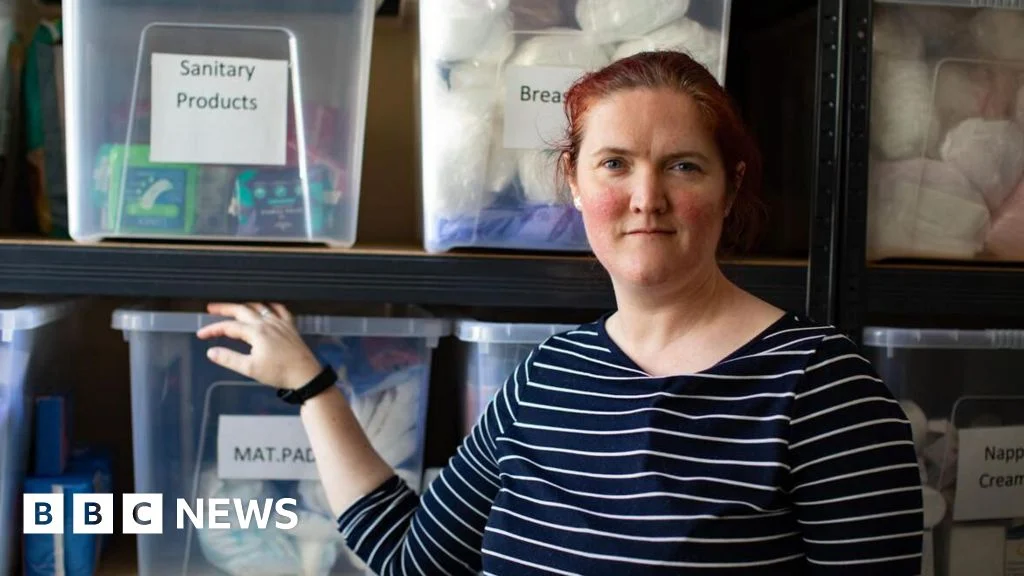
On a rainy Tuesday in Manchester, a mother of two clutched a box of diapers as she stood in line at the local baby bank, her eyes scanning the shelves for anything that could ease the strain of a £1,200 monthly nursery bill.
This scene is now routine across the UK.
Baby bank demand has never been higher, according to the founder of the national charity Little Helpers, who says the surge reflects a stark new reality: many families are employed but still cannot afford basic childcare.
Why does this matter?
Childcare costs have risen by 23% in the past year, outpacing wage growth and eroding the financial stability of low‑income households. When parents cannot secure affordable care, they are forced to cut back on work hours or quit altogether, feeding a vicious cycle of poverty.
Who is affected?
Data from Little Helpers shows that 68% of current users are parents who are in work, yet 42% report living on less than £500 a month after rent and bills. The charity, which operates 56 centres nationwide, has seen a 38% jump in new registrations since January.
“We’re seeing families who would have previously managed on a part‑time job now scrambling for a full‑time slot at a baby bank,” the founder explained.
Local councils are feeling the pressure too. Manchester City Council recently allocated an additional £1.2 million to its family support budget, but officials warn that without national policy change, such measures are only Band‑Aid solutions.
What happens next?
Advocates are calling for a universal childcare entitlement, similar to the one introduced in Germany, arguing that it would alleviate pressure on charities and keep parents in the workforce.
Meanwhile, the baby bank network is expanding its outreach, partnering with supermarkets and pharmacies to set up satellite drop‑off points.
For families like the mother in Manchester, the hope is that a coordinated policy response will turn yesterday’s emergency box of diapers into a sustainable, affordable childcare system.
Stay tuned as policymakers debate the cost‑share model that could reshape the future of UK early years support.