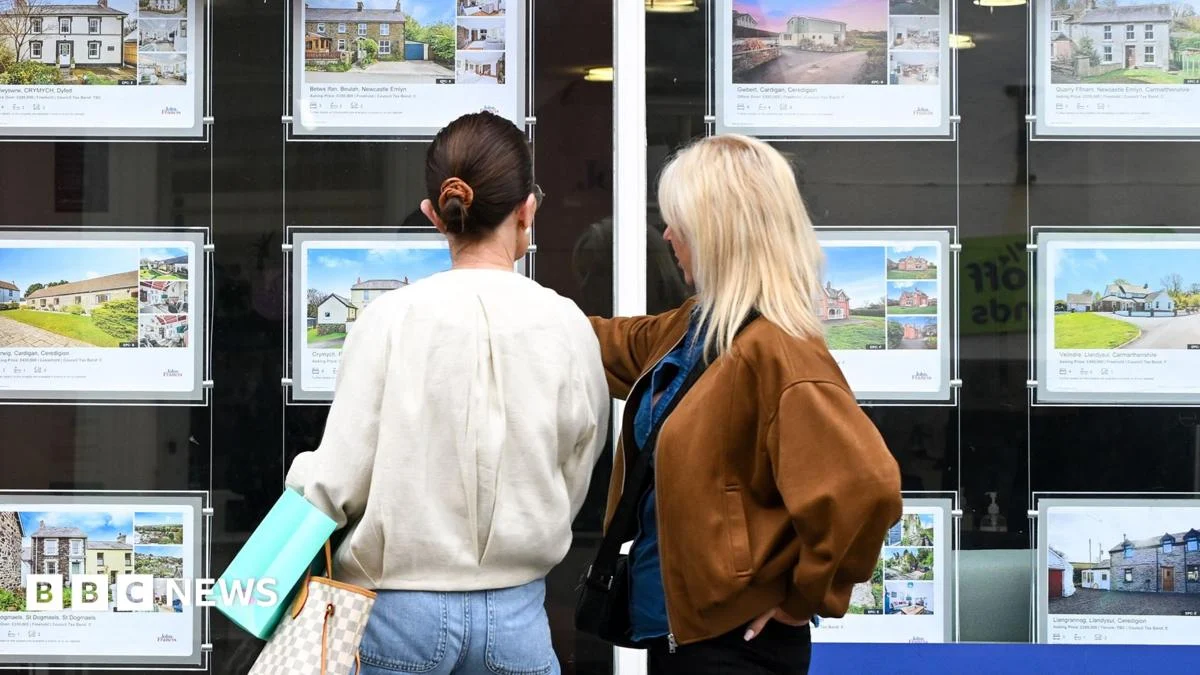
The average five-year mortgage rate has hit 6% for the first time in three years, marking a significant shift in the cost of new fixed-rate mortgages. This increase reflects rising costs faced by lenders in recent weeks, according to BBC News.
The movement in mortgage rates affects households considering fixed-rate deals and signals broader trends in lending markets. As lenders adjust to higher funding costs, borrowers are likely feeling the impact through more expensive mortgage products.
Key Facts
- Average five-year mortgage rate reaches 6%.
- This level has not been seen in three years.
- Rising lender costs are driving up mortgage prices.
- The trend reflects increasing borrowing costs across fixed-rate deals.
Why Are Mortgage Rates Rising?
Mortgage rates are influenced by a range of factors, including central bank policy decisions, inflation expectations, and the cost of funds for banks. When lenders face higher costs to borrow money themselves, these costs are often passed on to consumers through more expensive loan products such as fixed-rate mortgages.
In recent weeks, financial markets have responded to shifting economic data and policy signals, leading to upward pressure on long-term interest rates. This chain of events contributes to the rising cost of fixed-rate mortgage deals offered to consumers.
Fixed-rate mortgages allow borrowers to lock in a consistent monthly payment over a set period, typically five years. As the average rate climbs, new applicants for these products face higher overall repayment amounts compared to earlier periods.
Who Is Affected?
Prospective homebuyers and existing homeowners seeking to switch to fixed-rate deals are directly impacted by these rising rates. Households planning purchases or refinancing may need to reassess affordability as monthly payments increase alongside the average rate.
Additionally, lenders themselves are navigating tighter margins and adjusted demand as borrowing becomes more expensive. This dynamic can influence how aggressively institutions price new mortgage products in the coming months.
The broader housing market may also feel indirect effects, as higher borrowing costs can temper demand and moderate home price growth in some areas. These patterns tend to unfold gradually, shaped by ongoing economic developments.
What We Know — and What We Don’t
Verified by the source:
- The average five-year mortgage rate has reached 6%.
- This is the highest level in three years.
- Lender costs have been rising in recent weeks.
- Rising costs are linked to higher mortgage prices.
Still unconfirmed:
- The specific drivers behind rising lender costs.
- Regional variations in mortgage rate changes.
- Projections for future rate movements.
- Names of lenders or institutions involved.
- Exact timing of when the 6% threshold was crossed.
Why It Matters
Mortgage rate movements influence housing affordability, household budgets, and economic activity. When rates rise, qualifying for loans becomes harder and monthly payments increase, which can slow down property markets and shift spending habits. These changes ripple through the wider economy, affecting everything from construction activity to consumer confidence.
What To Watch
Future data on lender costs and central bank policy decisions may provide clarity on whether this upward trend continues. Analysts are expected to monitor how fixed mortgage rate offerings evolve in response to ongoing market pressures.