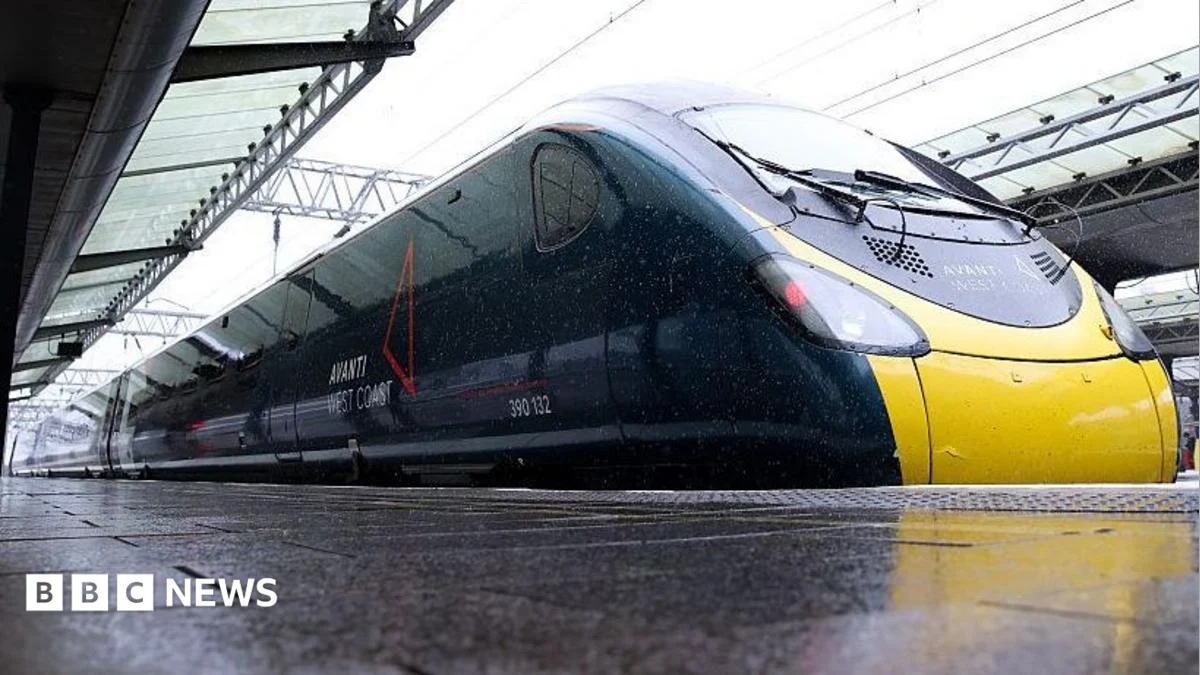
Avanti West Coast rail services are set to be nationalised from March, BBC News reported. The move is intended to support broader efforts to improve rail infrastructure, reduce train delays, and enhance experiences for passengers. Details on the exact operational changes remain limited at this stage.
The decision reflects ongoing pressure on the UK’s rail network to deliver more reliable services and better value for passengers. Nationalisation typically means government oversight of operations, though specific arrangements for Avanti West Coast have not yet been detailed.
Key Facts
- Avanti West Coast services to be nationalised from March.
- Part of a plan to improve rail infrastructure.
- Goal includes cutting train delays.
- Intended to improve experiences for passengers.
What Happens Next?
From March, Avanti West Coast services are scheduled to transition to public ownership. This follows a pattern seen in other UK rail franchises where private operators have struggled to meet performance targets. The government has previously stepped in to manage rail services temporarily before launching new franchise competitions.
Nationalisation does not necessarily mean full public operation overnight. In many cases, a government-backed entity temporarily runs services until a long-term solution is agreed. Passengers on the west coast main line — which connects London, Birmingham, Manchester, Liverpool and Glasgow — are likely to see changes in branding and customer service approaches.
The timeline suggests that decisions on staffing, ticketing and service standards may be announced closer to the handover date. Transport authorities are expected to publish further guidance to minimise disruption for commuters and leisure travellers alike.
Who Is Affected?
The change directly affects Avanti West Coast passengers, who rely on the west coast main line for daily commutes and longer journeys across England. These include travellers between major cities such as London, Birmingham, Manchester, Liverpool and Glasgow. Any shift in management can impact punctuality, customer support and ticket pricing.
Employees of Avanti West Coast may also face uncertainty during the transition. Past nationalisations have involved discussions around job security, working conditions and union representation. The government usually aims to protect workers during such handovers, though outcomes depend on negotiated agreements.
Broader stakeholders include rail infrastructure managers, regional transport bodies and taxpayers. Public funding often increases during state-run periods, which can influence debates about value for money and long-term sustainability of the rail network.
Verified by the source:
- Avanti West Coast services to be nationalised from March.
- Nationalisation linked to improving rail infrastructure.
- Goal includes reducing train delays.
- Plans aim to improve passenger experiences.
Still unconfirmed:
- Specific terms of the nationalisation process.
- How services will be run day-to-day during transition.
- Impact on ticketing or fare structures.
The nationalisation of Avanti West Coast comes amid wider scrutiny of UK rail performance and accountability. Reliable transport links remain essential for economic activity and daily life, making this move significant beyond the rail industry. Read more about economy and transport policy.
Officials have yet to release detailed operational plans for the March handover. Watch for further announcements on service continuity, staffing arrangements and customer support changes.