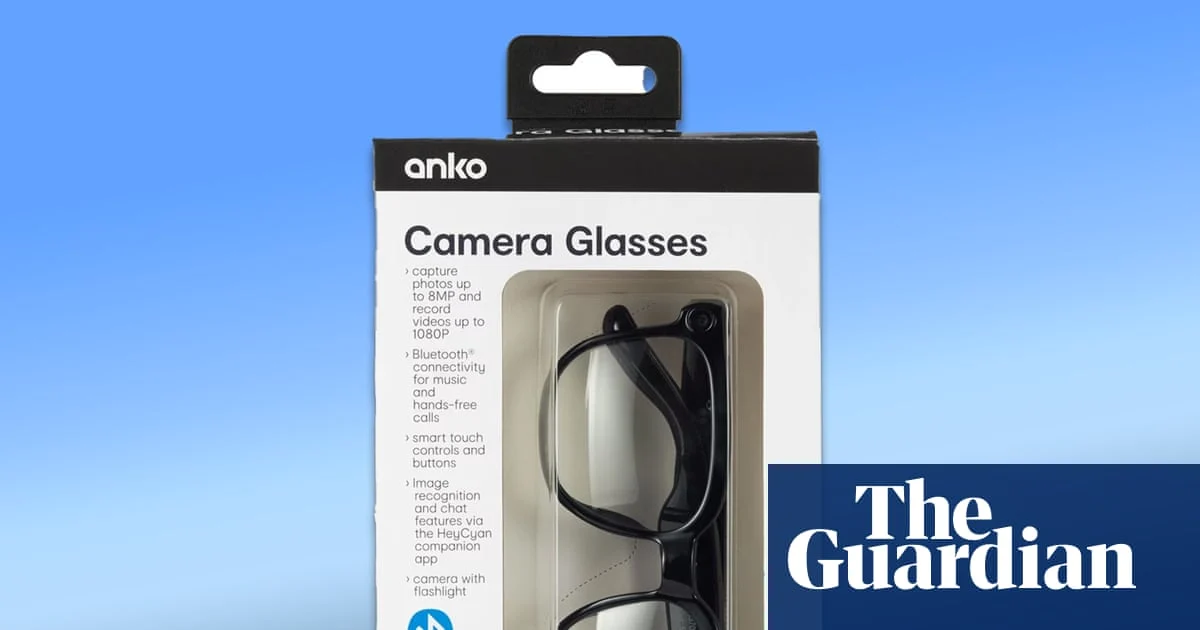
Australian privacy regulators have opened an investigation into a China-based software company linked to the HeyCyan app embedded in Kmart’s low-cost smartglasses, after mounting public concern over potential privacy violations. The probe centers on Shenzhen Qingcheng, the developer behind the app that powers the Anko-branded smartglasses sold by Kmart for $89. These devices, which resemble Meta’s smart eyewear, are capable of capturing images and recording high-definition video, prompting calls for stricter regulation or outright bans.
The investigation follows earlier reporting by Guardian Australia, which highlighted consumer discomfort with the covert nature of these gadgets. The privacy commissioner noted that the app maker failed to respond to official inquiries, raising further questions about transparency and accountability in cross-border tech development.
Key Facts
- Australia’s privacy watchdog has launched an investigation into a China-based company.
- The company under scrutiny is Shenzhen Qingcheng, developer of the HeyCyan app.
- The app is tied to Kmart’s $89 smartglasses branded under Anko.
- The device can capture images and record high-definition video.
- Shenzhen Qingcheng did not respond to regulatory inquiries, per the commissioner.
What Is the HeyCyan App?
The HeyCyan app serves as the software foundation for Kmart’s budget-tier smartglasses, allowing users to interact with the device’s core functions including photo capture and video recording. The glasses were positioned as an affordable alternative to more expensive augmented reality eyewear, such as those made by Meta. However, their ability to discretely record without clear indicators has sparked alarm among privacy advocates and lawmakers alike. The lack of visible recording signals could allow individuals to unknowingly be filmed or photographed, fueling fears around surveillance and misuse.
Who Is Affected by This Probe?
This inquiry impacts several groups: consumers who purchased or may purchase the smartglasses; privacy-conscious citizens concerned about covert data collection; and international tech firms operating within Australia’s digital landscape. The outcome of the probe could influence future regulations governing wearable technology imports and sales. Additionally, it places pressure on retailers like Kmart to vet third-party software partnerships more rigorously before bringing such products to market. Broader implications include potential shifts in how Australia enforces data protection laws when dealing with foreign developers.
How Did We Get Here?
In August, Guardian Australia reported that Kmart had sold out of the Anko-branded smartglasses due to high demand despite—or perhaps because of—the controversy surrounding them. Public backlash intensified after it became known that the gadgets could operate without obvious signs of active recording. Calls emerged for restrictions on their use in public spaces, similar to discussions happening globally regarding body cameras and surveillance tools. As awareness grew, so did scrutiny toward both Kmart and its technology partner based overseas.
What We Know — and What We Don’t
Verified by the source:
- The Australian privacy commissioner initiated an investigation.
- Shenzhen Qingcheng is identified as the app developer.
- Kmart sells the glasses under the Anko brand for $89.
- The company failed to respond to inquiries from regulators.
Still unconfirmed:
- Exact launch date or sales figures for the smartglasses.
- Specific nature of the inquiries sent to the app maker.
- Whether any violations occurred or if penalties will follow.
Why It Matters
This development underscores growing global tensions around personal privacy in an age where everyday items become data-gathering tools. With wearables increasingly entering mainstream markets, governments face mounting pressure to ensure foreign-built apps comply with local privacy standards—even when hosted on inexpensive consumer goods.
What to Watch
Regulators have yet to announce next steps, though the findings of this probe may set precedent for how other nations handle similar cases involving imported smart devices. Updates from the commissioner are expected once preliminary reviews conclude.