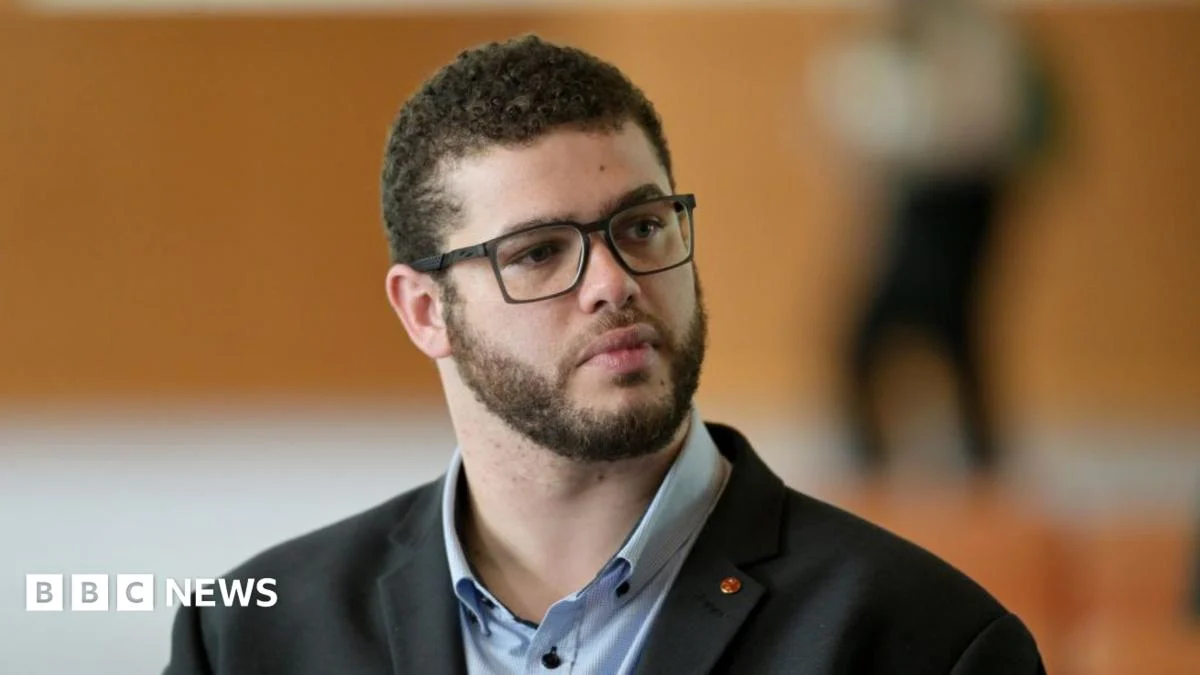
Jordon Steele-John, an Australian Greens senator, has denied recent claims of misconduct towards women, stating that the timing of the allegations appears designed to serve internal party agendas rather than genuine accountability.
In a statement responding to the claims, Steele-John suggested that the accusations are part of ‘nasty political games’ being played within the Greens, implying that the allegations lack credibility and are strategically timed to harm his standing within the party.
Key Facts
- Jordon Steele-John is an Australian Greens senator.
- He has denied claims of misconduct towards women.
- He described the timing of the claims as motivated by ‘nasty political games’ within the Greens.
The Story
What happens next?
The implications of these allegations and the senator’s response remain uncertain. Depending on how the situation unfolds, further scrutiny or investigations could follow. However, no official steps have been announced at this stage.
Steele-John’s comments highlight ongoing tensions within the Australian Greens party. Internal divisions can often lead to public infighting, and this incident may reflect broader disagreements over policy direction or leadership.
For now, the matter rests on competing narratives: one side raising concerns about conduct, the other framing the allegations as politically driven. Clarification from independent sources would help determine if formal processes will be initiated.
Who is affected?
Beyond the senator himself, the allegations have the potential to impact public perception of the Greens and their internal cohesion. Party members and supporters may find themselves reassessing their confidence in leadership.
If unresolved, such controversies can erode voter trust and distract from legislative priorities. The outcome could influence how the party presents itself in future elections or parliamentary sessions.
Members of the public interested in transparency within political institutions are likely watching closely. How this situation is handled may set precedents for addressing misconduct allegations within political groups.
How did we get here?
Allegations involving public figures often surface through media reports, sometimes triggered by complaints filed informally or through formal channels. In this case, details about when or how the claims arose have not been fully disclosed.
Political operatives frequently face scrutiny over personal conduct, especially in parties that emphasize ethical standards. The Greens have historically positioned themselves as advocates for social justice, which makes internal conflicts particularly sensitive.
Without access to full documentation or testimony, observers must rely on public statements from involved parties. These initial responses often shape early narratives before more information emerges.
What We Know — and What We Don’
Verified by the source:
- Senator Jordon Steele-John has denied the misconduct claims.
- He characterized the timing as linked to ‘nasty political games’ within the Greens.
Still unconfirmed:
- The identity and roles of those making the allegations.
- Specific details regarding the nature of the misconduct claims.
- Whether any official investigation has begun.
Why It Matters
Incidents like this affect how citizens view accountability among elected officials. With growing calls for integrity in government, unresolved questions around misconduct can undermine democratic legitimacy. Readers concerned with [politics](https://www.sourcerated.com/category/politics) should monitor whether credible processes are established to address such matters transparently.
What To Watch
All eyes will be on whether additional evidence surfaces or if internal party mechanisms move toward formal review. For ongoing coverage of developments in [war-geopolitics](https://www.sourcerated.com/category/war-geopolitics), readers are encouraged to follow trusted news updates. The situation remains fluid and subject to change based on new revelations.