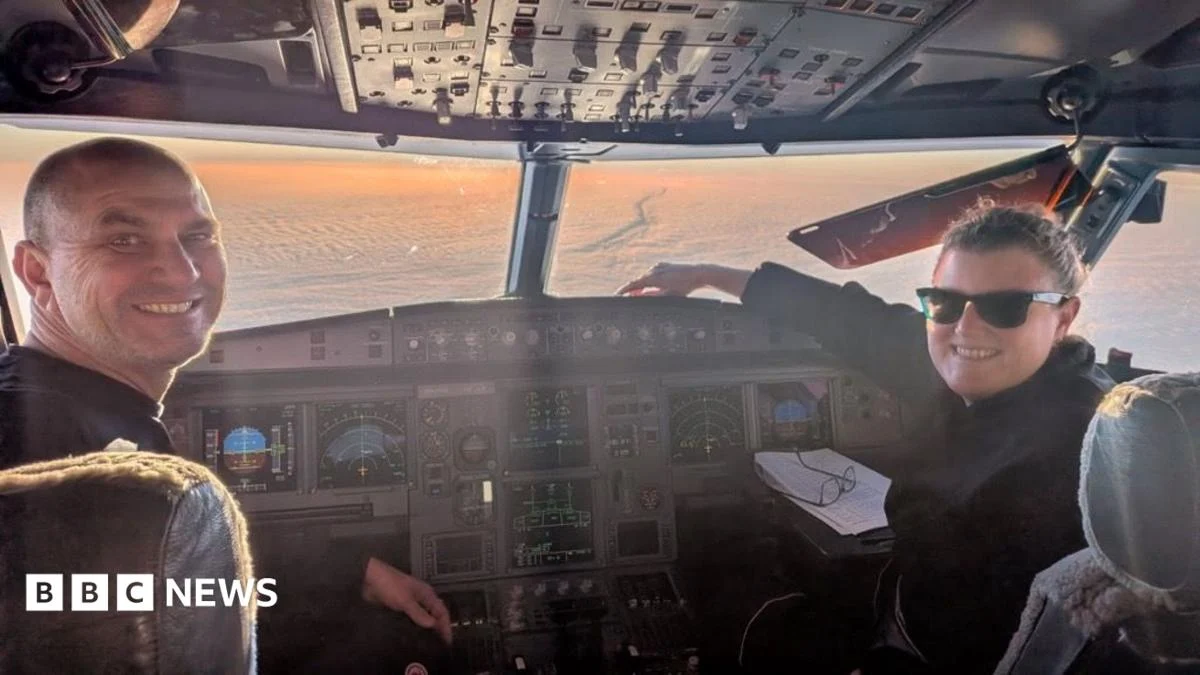
A team of Australian aviation specialists successfully conducted a daring midwinter medical evacuation from Antarctica’s McMurdo Station, landing a plane in complete darkness amid extreme cold temperatures of -43°C (-45.4°F). The operation marks one of the most challenging polar rescues attempted during the continent’s harsh winter season.
According to BBC News, the crew safely evacuated a patient from the U.S.-operated research station, though further details about the patient’s condition or the medical circumstances were not disclosed. Such missions are extremely rare during Antarctica’s winter months due to near-total darkness, bitterly cold temperatures, and limited logistical support.
Key Facts
- An Australian aviation crew carried out a medical evacuation from McMurdo Station, Antarctica.
- The rescue mission took place during midwinter, with flight conditions including total darkness and temperatures of -43°C.
- The patient’s condition and identity were not disclosed in the report.
How Dangerous Are Antarctic Winter Rescues?
Antarctica’s winter poses severe risks for aviation operations. Between April and August, the continent is shrouded in near-perpetual darkness, and temperatures often plummet below -60°C (-76°F) in inland regions. Coastal areas like McMurdo experience slightly less extreme conditions but still present immense operational hazards. Runways must be maintained on ice, and aircraft performance is drastically affected by extreme cold, making emergency landings particularly dangerous.
Why Were Australian Crews Involved?
While McMurdo Station is operated by the U.S. Antarctic Program, Australia has extensive experience in polar aviation through its Antarctic Division. Australian crews often collaborate with other nations for search-and-rescue operations in the region. Their aircraft are specially modified for extreme weather, including reinforced landing gear and cold-weather survival gear for crew and passengers.
What We Know — and What We Don’t
Verified by the source:
- The rescue was conducted by an Australian aviation team.
- Pilots landed at McMurdo Station in darkness with temperatures at -43°C.
- The mission involved evacuating a patient, but no further medical details were provided.
Still unconfirmed:
- The exact date and time of the operation.
- The type of aircraft used in the rescue.
- The patient’s medical status before and after the evacuation.
Why It Matters
Successful winter evacuations in Antarctica are critical to sustaining scientific operations on the continent, where thousands of researchers work in isolated and hazardous conditions. Demonstrating the capability to conduct such rescues reassures staff at remote stations that emergency medical support is possible, even during the harshest months.
What To Watch
The U.S. and Australian Antarctic programs may release further operational details in the coming days. Confirmation would verify the technical challenges and coordination involved in the mission. Updates on the patient’s condition may also emerge if privacy concerns permit disclosure.