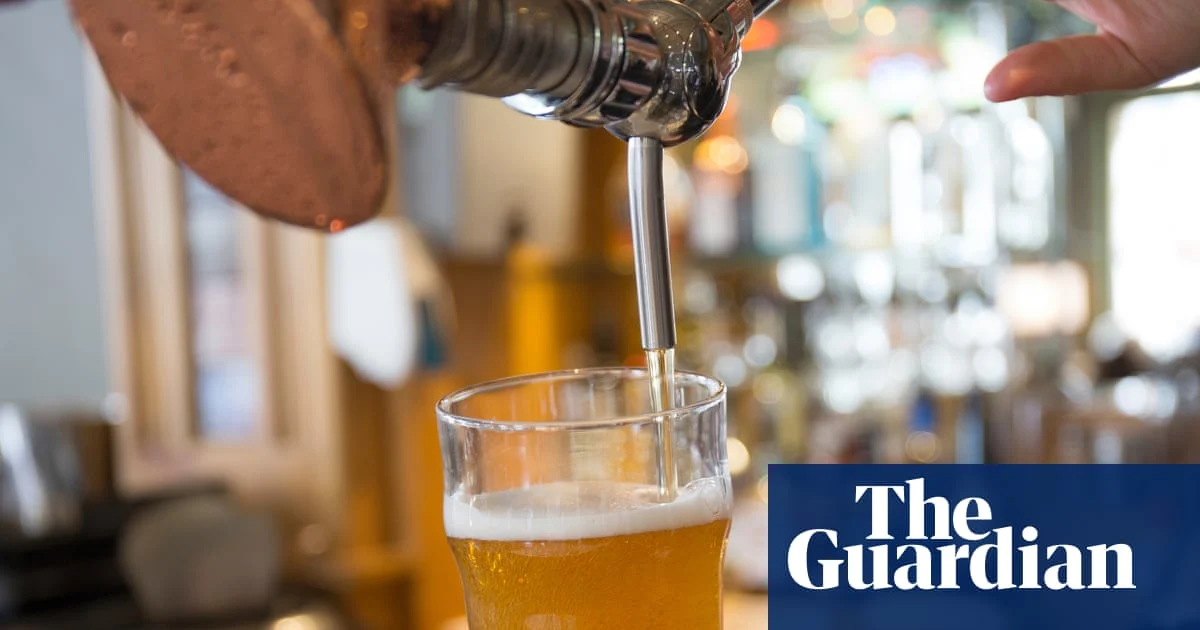
As Australians increasingly look for ways to reduce their environmental impact, some local brewers are turning to sustainable beer production methods. From renewable energy use to refillable containers, these efforts aim to lower the carbon footprint associated with one of the nation’s favorite drinks.
With rising temperatures and growing awareness around climate-conscious consumption, there’s renewed interest in how everyday products like beer can be part of the solution. For consumers, choosing sustainably brewed options offers a small but meaningful way to support eco-friendly practices.
Key Facts
- Australians drink an estimated 69 million litres of beer annually.
- Commercially produced beverages contribute emissions during production and transport.
- An estimated 17 billion bottles and cans are consumed and discarded yearly in Australia.
- Fewer than half of those bottles and cans were recycled, according to available estimates.
- Some brewers are adopting renewable energy and refillable packaging to cut environmental harm.
The Rise of Sustainable Beer Brewing
In response to growing concerns over waste and emissions, certain Australian breweries are rethinking traditional brewing models. By incorporating solar panels, heat recovery systems, and carbon-neutral distribution strategies, they’re working to minimize the ecological cost tied to each pint.
These initiatives aren’t just about optics — they target real environmental pressures. Commercially produced drinks inherently involve energy-intensive processes, from sourcing raw materials to transporting finished goods. Shifting toward cleaner power sources and localized supply chains helps address both production-based and transport-related emissions.
However, it’s important to note that only a subset of breweries featured here pursue such practices. Broader industry-wide adoption remains inconsistent, and many mainstream producers continue relying on conventional methods.
What Happens Next for Eco-Conscious Drinking?
Refillable container programs offer another promising avenue for reducing waste. Instead of single-use bottles or cans, some venues encourage patrons to return growlers or kegs for refills. This model directly cuts down on the volume of packaging entering landfills annually.
Beyond individual actions, systemic shifts may depend on consumer demand and policy incentives. While the Guardian report highlights pockets of innovation within the craft beer scene, large-scale change likely requires wider coordination among manufacturers, retailers, and regulators.
Still, the momentum behind sustainable beer reflects shifting preferences. As more drinkers prioritize environmental responsibility, brewers face mounting pressure to adapt — whether through ingredient sourcing, energy usage, or end-of-life product handling.
What We Know — and What We Don’t
Verified by the source:
- Australian annual per capita beer consumption reaches roughly 69 million litres nationally.
- Beer production contributes to greenhouse gas emissions via manufacturing and logistics.
- Approximately 17 billion beverage containers are used and thrown away each year in Australia.
- Less than 50% of those containers get recycled based on current estimates.
- A growing number of craft brewers experiment with solar power and reusable bottles.
Still unconfirmed:
- The exact percentage of breweries using green technologies across Australia is unverified.
- No specific brand names or locations are named in the source material.
- It’s unclear how much emissions have actually dropped due to refill programs alone.
- Data on public awareness levels regarding sustainable beer remains unspecified.
Why It Matters
Food and drink industries account for significant portions of global emissions, making choices like opting for sustainable beer part of a broader push toward low-carbon lifestyles. Even minor adjustments in production and disposal can collectively make a measurable difference when scaled nationwide.
What To Watch
It’s unclear whether upcoming policies will incentivize wider adoption of green brewing techniques. Meanwhile, shifts in consumer behavior could prompt further innovations in the sector.