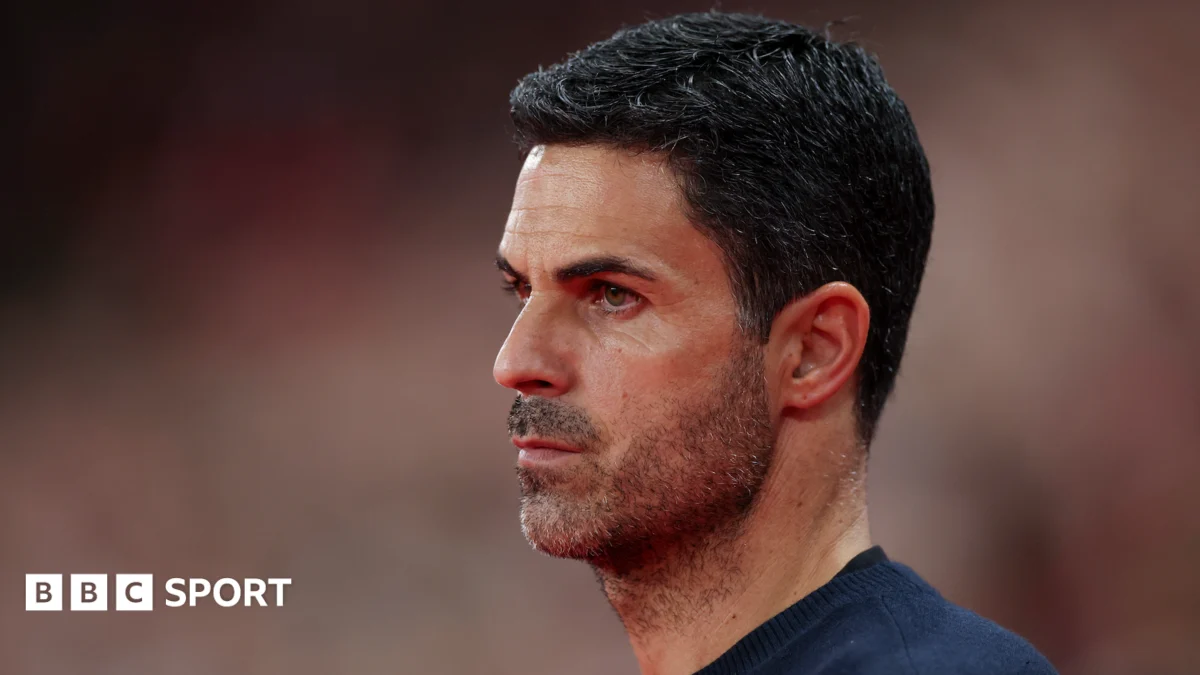
Mikel Arteta has shown an increased appetite for risk this season, and how that approach evolves could significantly influence Arsenal’s next chapter as they aim to remain competitive at the top of English football. After a recent setback — including a loss to Brighton — Arteta’s decisions are under heightened scrutiny, especially with the team still positioned among the league leaders. The margin for error is slim, and failing to adapt tactically might pose a bigger threat than sticking with familiar methods.
The key question now is whether Arteta’s evolving strategy reflects calculated boldness or unforced errors. As the season progresses, each match outcome will offer insight into the long-term vision shaping this young squad.
Key Facts:
- Mikel Arteta has shown an increased appetite for risk this season.
- Arsenal are currently looking to stay at the top of the table.
- Failing to reinvent tactics would be considered a greater gamble.
- A recent loss to Brighton has highlighted pressure on decision-making.
- Tactical shifts are being weighed carefully in high-stakes matches.
What Happened After the Brighton Loss?
Following the defeat to Brighton, attention turned to Arteta’s tactical choices and how they align with the broader objectives of the club. While results have generally stayed positive throughout the campaign, individual setbacks often spark debate over whether adjustments are needed. Arteta’s willingness to experiment — particularly in key moments — suggests he sees innovation as necessary rather than optional. This mindset contrasts with earlier phases of his tenure when more conservative approaches dominated.
His current stance reflects both confidence in available options and recognition that static strategies can quickly become outdated in modern football. The loss served as a reminder that even strong teams must evolve continuously to maintain momentum.
Who Benefits From a More Dynamic Approach?
If Arteta continues down the path of higher-risk play, several factors come into play for Arsenal moving forward. Players who thrive in flexible systems may gain more opportunities, while others accustomed to rigid roles might see reduced involvement. Younger talents especially stand to benefit from exposure to varied tactical setups, potentially accelerating development timelines.
Besides player dynamics, fan expectations also shift depending on approach. Supporters eager for progression expect visible growth, which sometimes requires enduring short-term growing pains. Striking the right balance between ambition and consistency remains central to maintaining internal cohesion within the squad and staff alike.
How Did We Get Here?
Earlier seasons saw Arteta operating within structured frameworks emphasizing defensive stability and methodical buildup. That model helped establish foundational improvements across multiple areas including mentality and discipline. However, recent trends suggest a pivot toward bolder implementations involving faster transitions and aggressive positional rotations.
This evolution likely stems from accumulated experience gained through repeated knockout competitions where adaptability proved crucial. Yet the challenge lies in applying such fluid concepts consistently without sacrificing core strengths previously responsible for success. Balancing tradition with transformation defines much of contemporary coaching philosophy today.
What We Know — and What We Don’t
Verified by the source:
- Arteta’s increased appetite for risk this season has been observed and reported.
- Arsenal continue aiming to stay atop competitive standings.
- A loss against Brighton contributed to discussions around tactical reinvention.
- Not reinventing tactics is framed as potentially riskier than trying something new.
Still unconfirmed:
- Specific tactical changes implemented by Arteta this season.
- Exact timing or nature of future strategic moves planned.
- Whether individual player performances directly influenced tactical shifts.
- Long-term outcomes tied explicitly to Arteta’s current risk-based approach.
Why it matters: In elite sport, hesitation often equates to regression. For clubs like Arsenal pushing for sustained excellence, embracing calculated risks — even after setbacks — becomes essential to staying ahead of rivals constantly evolving themselves.
What to watch: Upcoming fixtures should reveal whether Arteta maintains his experimental edge or reverts to safer patterns, offering clearer indicators about long-term direction ahead of critical phases later in the campaign.