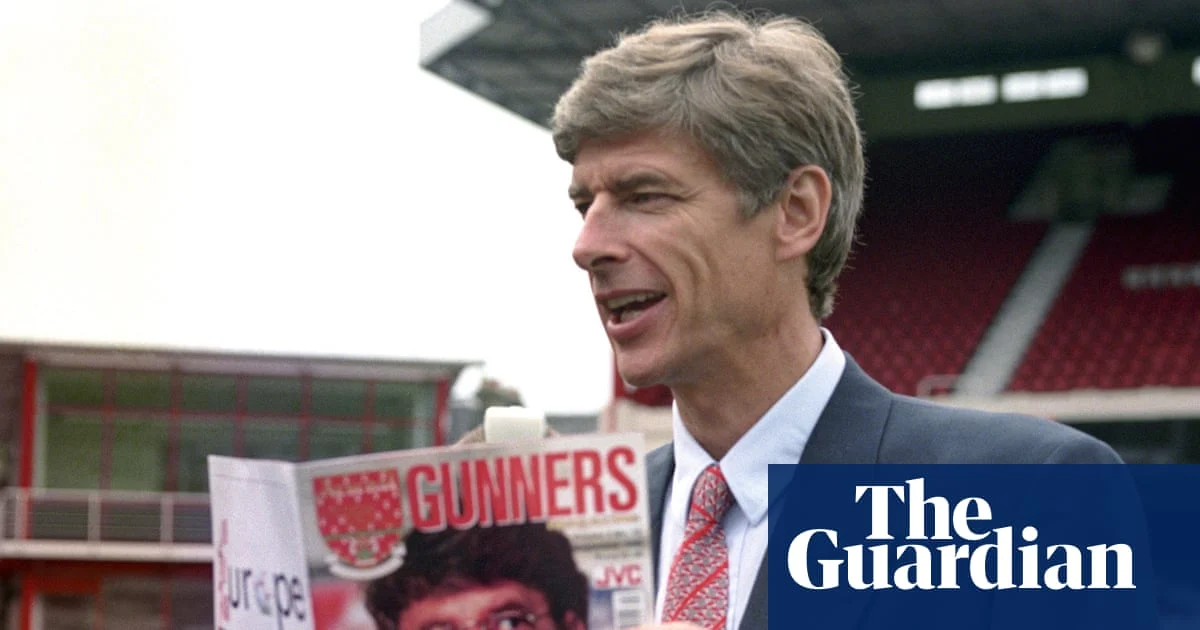
Thirty years ago, David Dein appointed Arsène Wenger as Arsenal manager, marking the start of a transformative era in English football.
Dein’s decision to hire the Frenchman ushered in an irreversible era of multiculturalism, giving birth to the Premier League we know today. At the time, Arsenal were in a state of chaotic flux, having sacked Bruce Rioch, with the interims Stewart Houston and Pat Rice in charge. There had been talk of Johan Cruyff arriving and Dein wanted to fill the information vacuum. Summoning the team, he reassured them a new manager would soon be appointed and that he was a world-class addition.
KEY FACTS
- Arsène Wenger was appointed Arsenal manager thirty years ago.
- David Dein described the appointment as a world-class addition.
- Arsenal were in chaotic flux after sacking Bruce Rioch.
- Interim managers included Stewart Houston and Pat Rice.
- There was speculation about Johan Cruyff arriving before the appointment.
The Appointment That Changed English Football
As feedback goes, even a character as relentlessly optimistic as David Dein might have considered the reaction to his bold managerial appointment suboptimal. Thirty years ago, Arsenal were in a state of chaotic flux, having sacked Bruce Rioch, with the interims Stewart Houston and Pat Rice in charge. There had been talk of Johan Cruyff arriving and Dein wanted to fill the information vacuum. Summoning the team, he reassured them a new manager would soon be appointed and that he was a world-class addition.
“His Name Is Arsène Wenger”
“His name is Arsène Wenger,” Dein, the club’s vice-chair, beamed. A brief pause ensued before a player’s voice called out: “Who the fuck is he?” His exclamation echoed conventional wisdom. “Arsene Who?” famously read The London Evening Standard’s billboards prior to Wenger being confirmed as manager on 30 September 1996. The lack of immediate recognition highlighted how little known Wenger was in England at the time, despite his reputation in France and Japan.
How Did We Get Here?
Wenger’s appointment marked a shift in how English clubs approached international talent, both in management and player recruitment. His arrival coincided with growing interest in global football expertise, and he became a pioneer in bringing continental coaching methods to the Premier League. His tenure lasted over two decades and included multiple league titles and FA Cups, leaving a lasting legacy on Arsenal and English football.
What We Know — and What We Don’t
Verified by the source:
- Wenger was appointed Arsenal manager thirty years ago.
- David Dein made the appointment as vice-chair.
- Arsenal had recently sacked Bruce Rioch.
- Stewart Houston and Pat Rice served as interim managers.
- The London Evening Standard ran a billboard asking “Arsene Who?”
Still unconfirmed:
- The exact date of Wenger’s confirmation as manager.
- Specific details about Wenger’s background before joining Arsenal.
- Names of players who reacted to the announcement.
- Details of Arsenal’s performance under interim managers.
Why It Matters
Wenger’s appointment reflected a broader trend of globalization in English football, influencing how clubs recruit managers and players internationally. His success helped establish the Premier League as a truly cosmopolitan competition, shaping its modern identity.
What To Watch
No further developments are expected, as this story reflects on a historical event. Commemorative coverage may appear in [sports] archives as the anniversary passes.