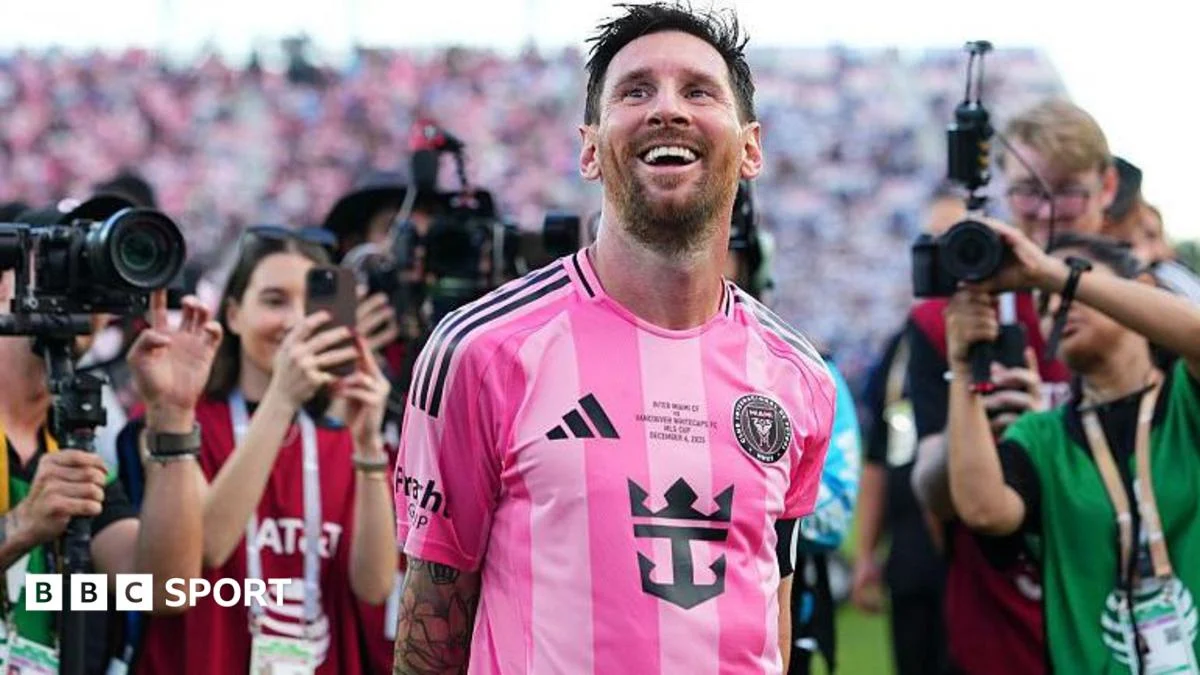
Young football fans may now prioritize following star players like Lionel Messi and Erling Haaland over loyalty to specific clubs, according to BBC News. The trend reflects shifting allegiances in modern football, where high-profile transfers and global branding amplify individual athletes’ influence.
The question arises as elite players increasingly dominate headlines, with their transfers and performances eclipsing traditional club narratives. This shift could reshape how clubs market themselves and engage with younger audiences.
KEY FACTS
- BBC News questions whether star players now attract more fan interest than clubs
- Names mentioned include Lionel Messi, Cristiano Ronaldo, Erling Haaland, and Jude Bellingham
- Focus is on potential generational shift in fan engagement patterns
What’s driving this potential shift?
The rise of social media and global football coverage allows fans to follow individual athletes more closely than ever before. Players now maintain direct connections with millions through platforms like Instagram and TikTok, bypassing traditional club media channels.
Modern transfer markets see top players moving more frequently between elite clubs, making long-term allegiance to any single team less practical for some fans. The financial power of certain leagues also concentrates star talent geographically, further separating player fame from club identity.
How might clubs respond?
Football organizations may need to rethink youth engagement strategies if star players indeed drive more fan interest than club brands. Some already leverage player-specific content and merchandise, but deeper structural changes could follow.
Younger fans’ preferences might influence everything from kit designs to preseason tour locations, with clubs potentially prioritizing access to popular individuals over traditional rivalries or local community ties. The economics of player transfers could also shift if individual marketability outweighs sporting value.
WHAT WE KNOW — AND WHAT WE DON’T
Verified by the source:
- BBC News has identified this as a noteworthy trend in football fandom
- Specific high-profile players are named as potential drivers of this shift
Still unconfirmed:
- Whether this represents a permanent change or temporary generational preference
- How widespread this phenomenon is across different age groups and regions
- What specific strategies clubs are developing in response
WHY IT MATTERS
Football’s financial ecosystem depends heavily on fan engagement through merchandise, media rights, and match attendance. If supporter loyalty increasingly follows star players rather than clubs, it could require fundamental changes in how the sport operates commercially and competitively.
WHAT TO WATCH
Future transfer windows may provide evidence of whether clubs value player marketability differently, while fan surveys could quantify these changing allegiance patterns. The sport’s governing bodies may eventually address competitive balance concerns if elite player concentration worsens.