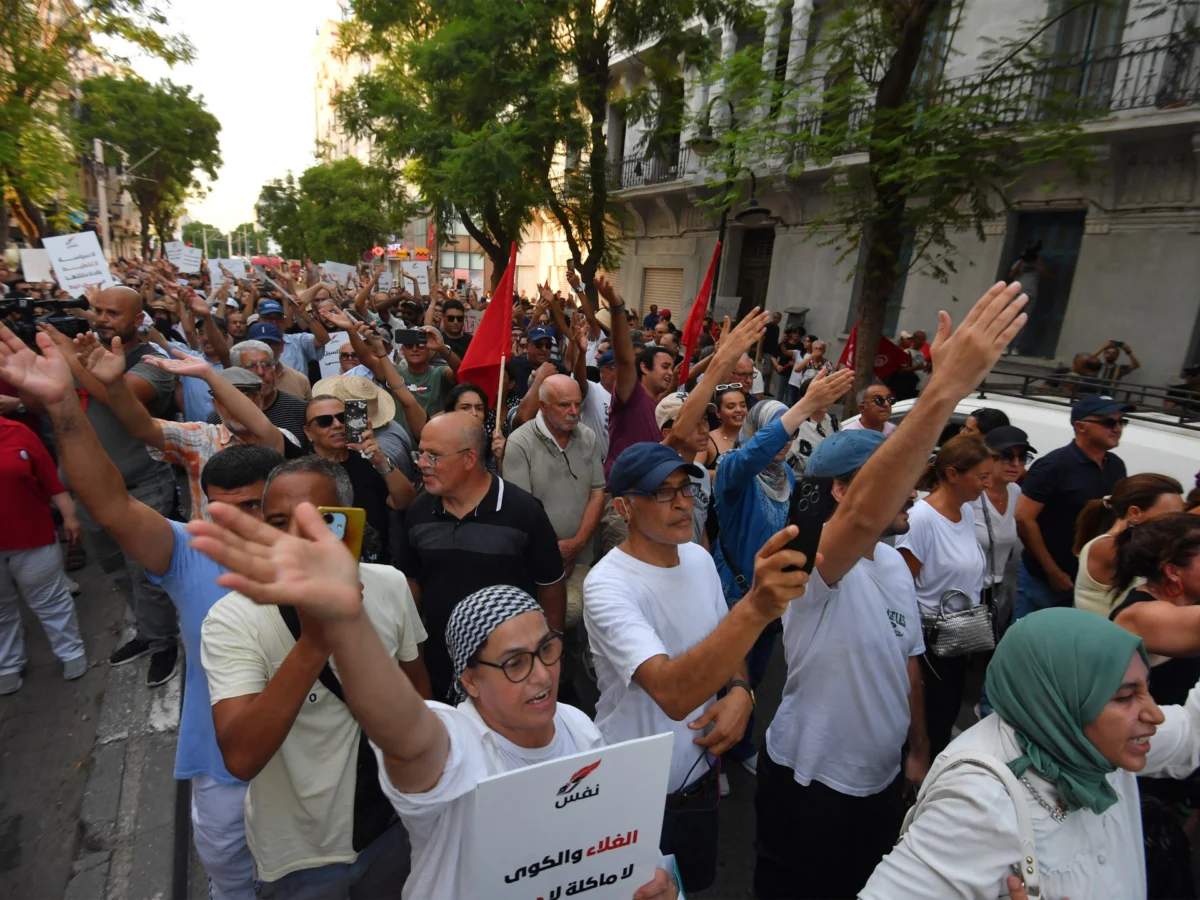
Antigovernment protests have entered their second month in Tunisia as economic conditions in the country deteriorate, according to Al Jazeera. The demonstrations reflect growing public discontent with the economic challenges facing the North African nation.
Tunisia, which has struggled with economic instability in recent years, is now witnessing sustained public outcry. The protests highlight the ongoing tensions between the government and citizens over economic policies and living standards.
KEY FACTS
- Antigovernment protests have continued in Tunisia for a second month.
- The protests are linked to worsening economic conditions in the country.
- The demonstrations have been reported by Al Jazeera.
WHAT’S DRIVING THE PROTESTS?
The protests in Tunisia appear to be fueled by economic hardships, though the exact grievances have not been detailed in the source. Economic instability has been a recurring issue in the country since its 2011 revolution, which sparked the Arab Spring uprisings. Rising inflation, unemployment, and government austerity measures have historically triggered public unrest.
HOW HAS THE GOVERNMENT RESPONDED?
The source does not specify any official response to the ongoing protests. In past demonstrations, Tunisian authorities have occasionally deployed security forces to manage crowds, but no such details are provided in this report. The absence of a clear government statement leaves the situation unresolved.
WHAT WE KNOW — AND WHAT WE DON’T
Verified by the source:
- Protests have continued for two months.
- The demonstrations are antigovernment in nature.
- Economic difficulties are a contributing factor.
Still unconfirmed:
- The exact number of protesters or locations of demonstrations.
- Any government statements or policy changes in response.
- Reports of arrests or clashes, if any.
WHY IT MATTERS
Tunisia’s protests are a barometer of broader economic and political instability in the region. As one of the few democracies to emerge from the Arab Spring, the country’s stability has wider implications for North Africa and the Middle East. Continued unrest could signal deeper systemic challenges.
WHAT TO WATCH
Observers will monitor whether the protests escalate or if the government announces economic reforms to address public discontent. Further updates from reliable sources will be crucial in assessing the situation.