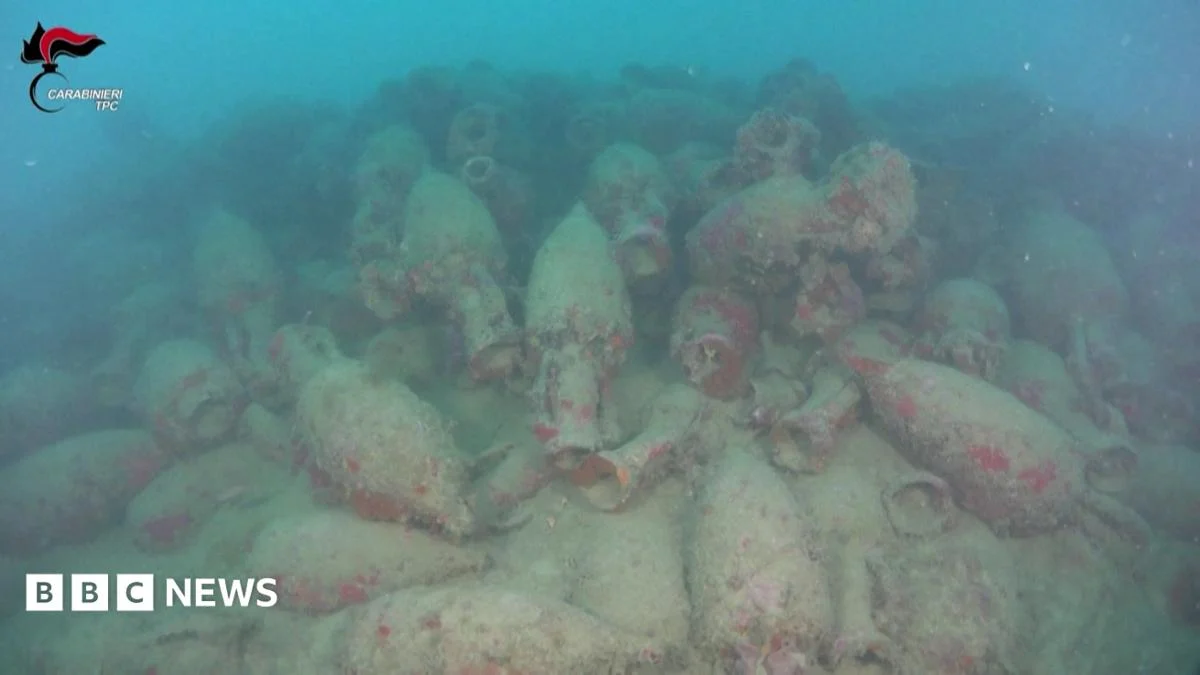
A recently discovered ancient Roman shipwreck off the coast of Sicily has been described by Italy’s culture minister as one of the most significant underwater archaeological finds in recent years. The discovery highlights the rich maritime history of the region and underscores the ongoing exploration of ancient trade routes.
While details about the shipwreck remain limited, the find has sparked excitement among archaeologists and historians. Sicily, a key crossroads in the ancient Mediterranean, has long been a focal point for uncovering remnants of Roman civilization.
Key Facts
- An ancient Roman shipwreck was discovered off Sicily’s coast.
- Italy’s culture minister described it as one of the most important underwater archaeological finds in years.
What Does the Discovery Tell Us?
The discovery of the Roman shipwreck sheds light on the maritime trade routes that connected ancient Rome to its vast empire. Sicily’s strategic location made it a hub for commerce, and shipwrecks often provide valuable insights into the goods, technologies, and shipbuilding practices of the time.
What Happens Next?
Archaeologists will likely focus on further exploration and preservation of the site. Underwater excavations of such finds can take years, as careful documentation and recovery of artifacts are essential to understanding their historical context.
What We Know — and What We Don’t
Verified by the source:
- An ancient Roman shipwreck was discovered off Sicily.
- Italy’s culture minister called it a significant archaeological find.
Still unconfirmed:
- The exact age of the shipwreck.
- Details about the cargo or artifacts recovered.
Why It Matters
This discovery underscores the importance of underwater archaeology in uncovering lost chapters of history. Shipwrecks like this one offer a window into ancient trade, technology, and daily life, enriching our understanding of Roman civilization.
What to Watch
Further details about the shipwreck’s age, cargo, and historical significance are expected as archaeologists continue their work.