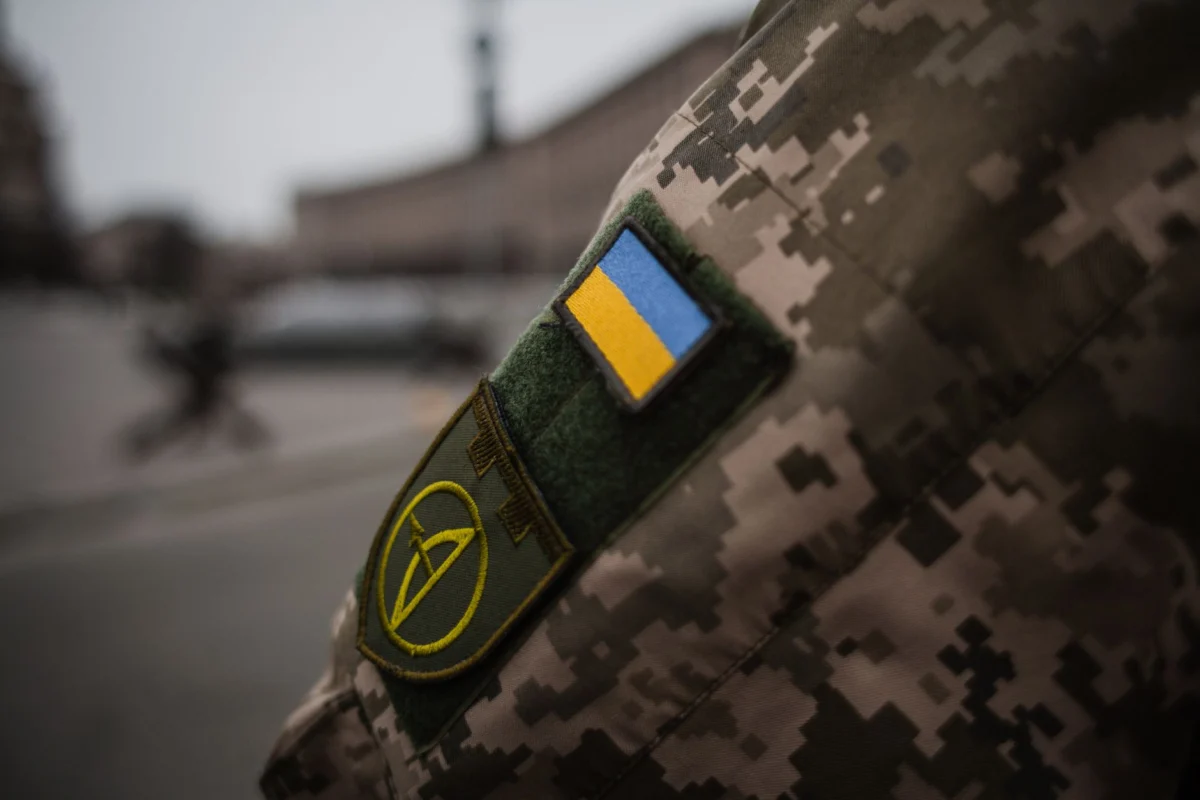
Ukraine’s war, now in its seventh year, is being described by some commentators as a “forever war,” a term that suggests a conflict without a foreseeable end and growing strategic fatigue for both Kyiv and Moscow.
The assessment comes amid stagnant frontline movements, mounting casualties, and dwindling appetite for fresh military aid from Western partners. While Ukrainian forces have reclaimed significant territory since the 2022 counteroffensive, analysts say the lack of decisive breakthroughs points to a war of attrition that could linger indefinitely.
“We are seeing a classic case of a conflict that has settled into a low‑intensity, high‑cost stalemate,” said a senior defense analyst familiar with the situation, who asked to remain anonymous. “Without a clear political solution, the fighting could persist for years, draining resources on all sides.”
U.S. officials have repeatedly emphasized the need for a diplomatic resolution, but Kremlin spokesman Dmitry Peskov reiterated Russia’s “strategic objectives” remain unchanged, adding that Moscow will continue its military campaign until its goals are met.
Western governments, particularly the United States and European Union, have maintained robust financial and weapons support for Kyiv, yet congressional hearings this month highlighted growing concerns over budgetary constraints and public fatigue with the ongoing conflict.
Security experts warn that a protracted war could destabilize the broader region, embolden other contested areas, and force NATO to reassess its long‑term commitment to Eastern Europe. They also note that an endless conflict may erode the credibility of international institutions tasked with conflict resolution.
Looking ahead, diplomats hope that renewed peace talks, possibly mediated by neutral parties, could break the deadlock. However, as both sides fortify their positions, the prospect of a swift conclusion remains uncertain, raising the specter of a lasting war that reshapes European security dynamics for decades.