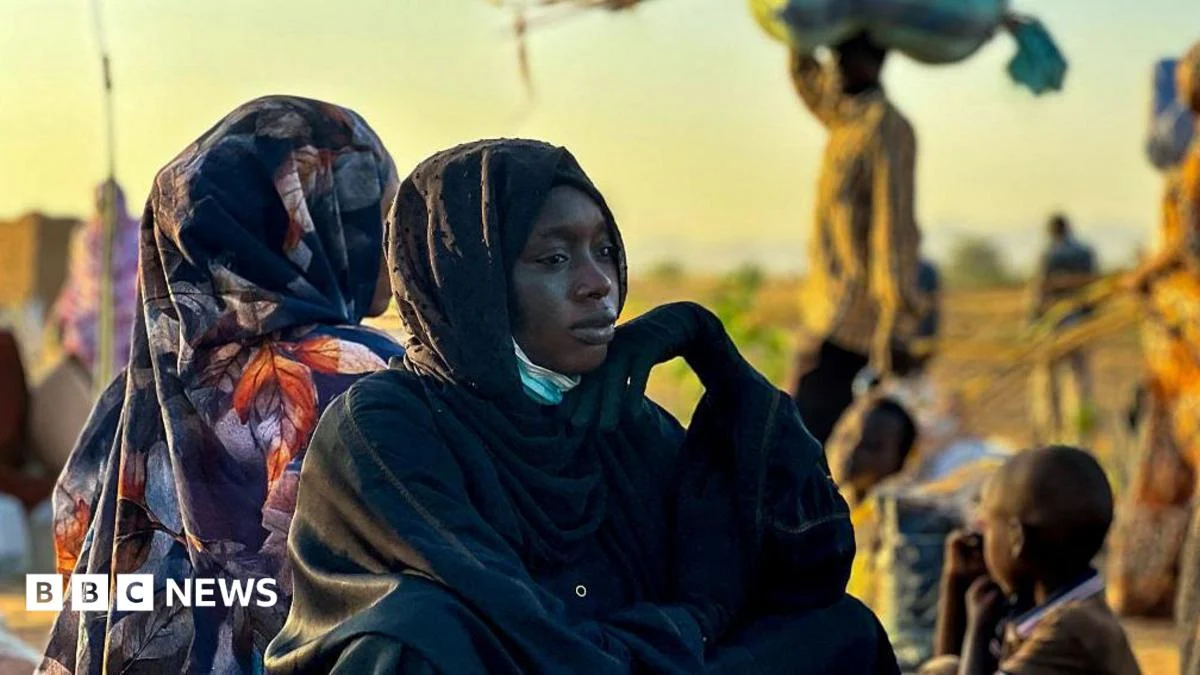
Amnesty International has concluded that the Rapid Support Forces (RSF) in Sudan are responsible for crimes against humanity in the town of el‑Fasher. The allegation of RSF crimes is reinforced by United Nations observations that the violence there bears the hallmarks of genocide.
What does the report say?
The humanitarian group’s findings focus on systematic attacks that qualify as crimes against humanity. Although the BBC article does not detail specific incidents, it makes clear that Amnesty’s assessment adds significant weight to existing concerns raised by the UN about the scale and intent of the violence in el‑Fasher.
Why does this matter?
The claim of RSF crimes is significant because it may influence international responses, including possible investigations by the International Criminal Court and further sanctions. The United Nations’ description of the atrocities as showing “hallmarks of genocide” underscores the seriousness of the situation and could affect diplomatic and humanitarian strategies.
Both the Amnesty report and the UN remarks highlight the need for continued monitoring of the conflict in Sudan. Organizations tracking the war are calling for stronger protection of civilians and accountability for alleged perpetrators.
What happens next?
Attention is now focused on how the international community will act on these accusations. Potential steps include formal investigations, increased humanitarian aid, and pressure on the RSF to cease alleged crimes. The ongoing conflict continues to affect civilians across the region, and the situation remains a key concern for agencies covering war and geopolitics.
While the report provides a clear statement of RSF crimes, further independent verification and detailed investigations are required to confirm the full extent of the alleged atrocities. The development illustrates the broader challenges of documenting war crimes in an active conflict zone.