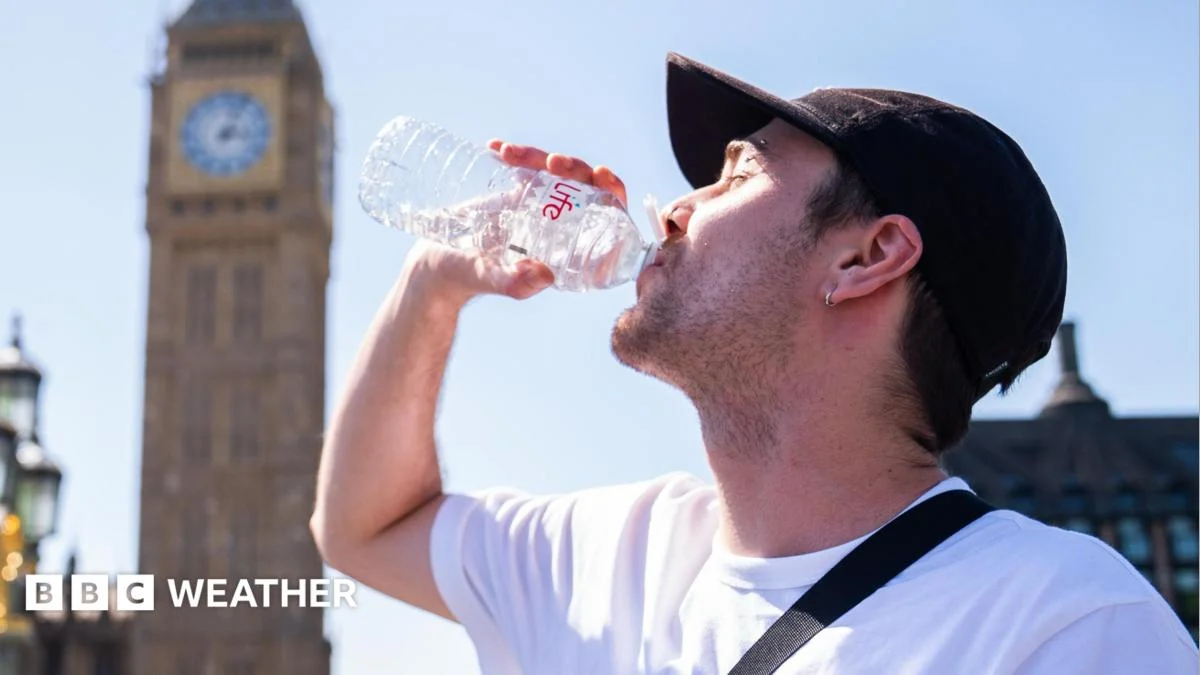
An amber heatwave warning has been issued for England, with temperatures set to climb to 35 °C on Monday and Tuesday.
Met Office forecasters say the hot spell will push daily highs into the mid‑30s Celsius, the highest readings seen this spring.
“Expect temperatures in the mid‑30s on Monday and Tuesday, with a possible brief dip on Wednesday,” the service warned.
Heat‑related illnesses could spike. The NHS has already alerted hospitals to prepare for an uptick in dehydration and heatstroke cases, especially among the elderly and those with pre‑existing conditions.
Travelers should brace for disruption. Train operators have warned of possible delays as tracks expand under the heat, while the Aviation Safety Board cautions that runway performance could be affected at several airports.
Why does this matter?
The heatwave warning isn’t just a weather alert; it’s a public‑health and infrastructure signal. A prolonged spell of 35 °C can strain power grids, increase wild‑fire risk, and exacerbate air‑quality problems that already burden urban areas.
For commuters, the warning means checking service updates before heading out. For families, it means staying hydrated, keeping curtains shut during peak sun hours, and looking out for vulnerable relatives.
What happens next?
Temperatures should ease after Wednesday, but Met Office officials say the atmosphere will remain “unseasonably warm” through the weekend, keeping humidity high.
Local councils have activated heat‑action plans, deploying extra cooling centers in city parks and opening public swimming pools for free use.
Businesses, especially those in construction and outdoor retail, are advised to adjust shift patterns and provide shade and water to staff.
Meanwhile, climate‑environment analysts note that such early‑year heat spikes are becoming more common, linking them to broader trends of rising summer averages across the UK.
Stay tuned as the Met Office updates forecasts and health agencies release guidance on how to stay safe during the hottest days of the year.
Read more about how weather events are reshaping the climate and environment sector and the economic ripple effects in economy and markets.