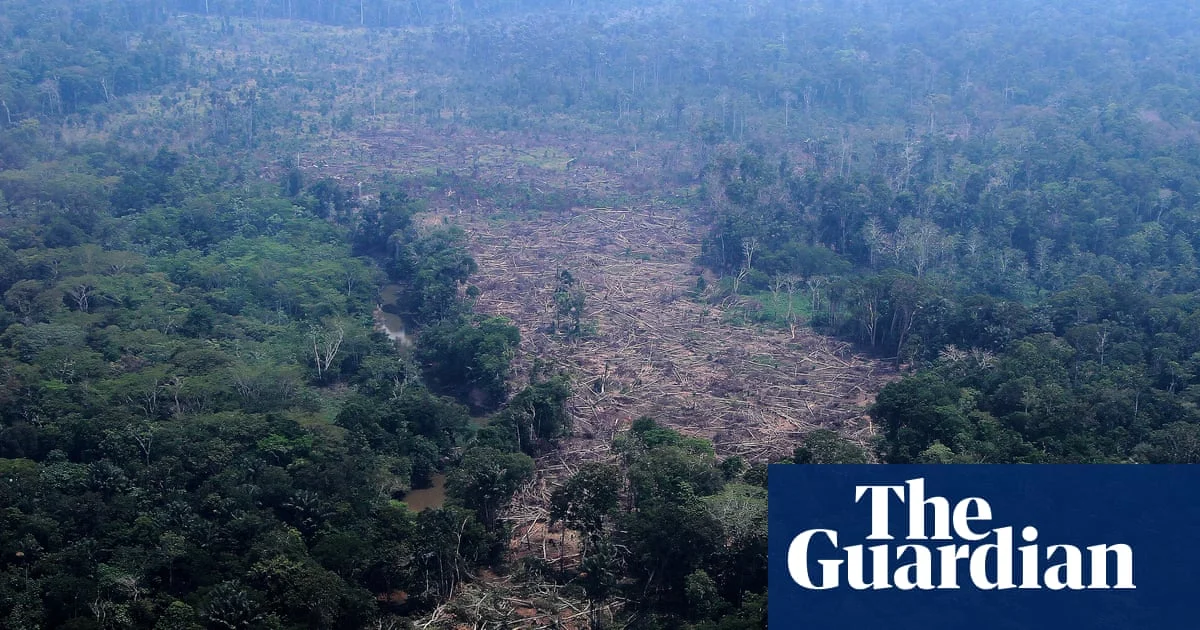
Amazon deforestation has reached its lowest level since government records began in 1988, offering a rare sign of environmental progress as Brazil prepares for a pivotal presidential election. New official data confirms the drop, which comes amid intense debate over the future of the rainforest and its role in global climate policy.
The decline represents a measurable shift from recent years, when annual clearance rates had drawn international concern. Whether this trend continues will largely depend on the outcome of the upcoming vote and the policies pursued by the next administration.
Key Facts
- Amazon deforestation fell to its lowest level since records began in 1988.
- New government data confirmed the drop in forest clearance.
- The result is seen as a success for President Luiz Inacio Lula da Silva ahead of the October 25 runoff.
- The election features two candidates with sharply different visions for the Amazon.
- The runoff vote is set for October 25, with global attention on its environmental implications.
What Happens Next?
The October 25 presidential runoff will effectively determine whether recent Amazon deforestation declines are sustained or reversed. The two leading candidates hold opposing views on environmental enforcement and land use policy.
One candidate has signaled plans to expand protections, while the other has emphasized development priorities that some fear could increase pressure on the forest. International observers are closely watching how the outcome may reshape Brazil’s climate commitments and partnerships, including its relationship with the United States.
Historical precedent suggests that enforcement policies and budget allocations directly influence deforestation rates. Early indicators will include updates to monitoring systems and public statements from relevant agencies, though concrete policy changes may take months to implement.
How Did We Get Here?
Brazil began tracking Amazon deforestation systematically in 1988 through satellite-based monitoring programs operated by national agencies. Over the past decade, rates fluctuated significantly, rising during periods of relaxed enforcement and falling when fines and raids increased.
Under prior administrations, weakened environmental governance led to accelerated clearance, drawing criticism from global climate advocates. President Lula’s return to office in 2023 coincided with renewed funding for enforcement and indigenous land protections, contributing to the recent drop.
Despite these gains, structural drivers such as illegal logging, mining, and agricultural expansion remain entrenched. Long-term sustainability depends on institutional reforms and continued political will, both of which now hang in the balance of the upcoming vote.
Who Is Affected?
Indigenous communities and rainforest-dependent populations face direct consequences from changes in Amazon deforestation policy. These groups often rely on forest ecosystems for food, water, and cultural practices, making them especially vulnerable to increased land encroachment.
Globally, Amazon deforestation affects carbon sequestration and regional rainfall patterns, contributing to climate instability beyond Brazil’s borders. Scientists warn that large-scale loss could trigger irreversible tipping points in the Earth’s climate system.
International stakeholders, including governments and investors, are also affected as they reassess commitments to climate financing and supply chain sustainability tied to Amazon protection efforts.
What We Know — and What We Don’t
Verified by the source:
- Amazon deforestation reached its lowest level since 1988 according to official government data.
- The decline is considered a political win for President Lula before the October 25 election.
- The two presidential candidates differ sharply on Amazon-related policies.
- The U.S. relationship with Brazil under Donald Trump is a factor in the election narrative.
Still unconfirmed:
- The specific numerical figures behind the reported deforestation drop.
- Detailed policy platforms of either presidential candidate.
- The exact mechanism linking the data release timing to election dynamics.
Why It Matters
Because the Amazon plays a critical role in regulating the global climate, fluctuations in Amazon deforestation influence worldwide emissions trajectories and biodiversity preservation. As one of the planet’s largest carbon sinks, sustained forest loss undermines international climate targets and increases risks of extreme weather events across multiple continents.
What To Watch
Observers expect post-election developments to clarify whether the reported Amazon deforestation reductions will persist under new leadership. Officials have yet to outline detailed transition plans for environmental monitoring or enforcement agencies.
Meta description: Amazon deforestation hits lowest level since 1988 as Brazil heads to October 25 presidential election.
Read more in climate-environment and war-geopolitics.