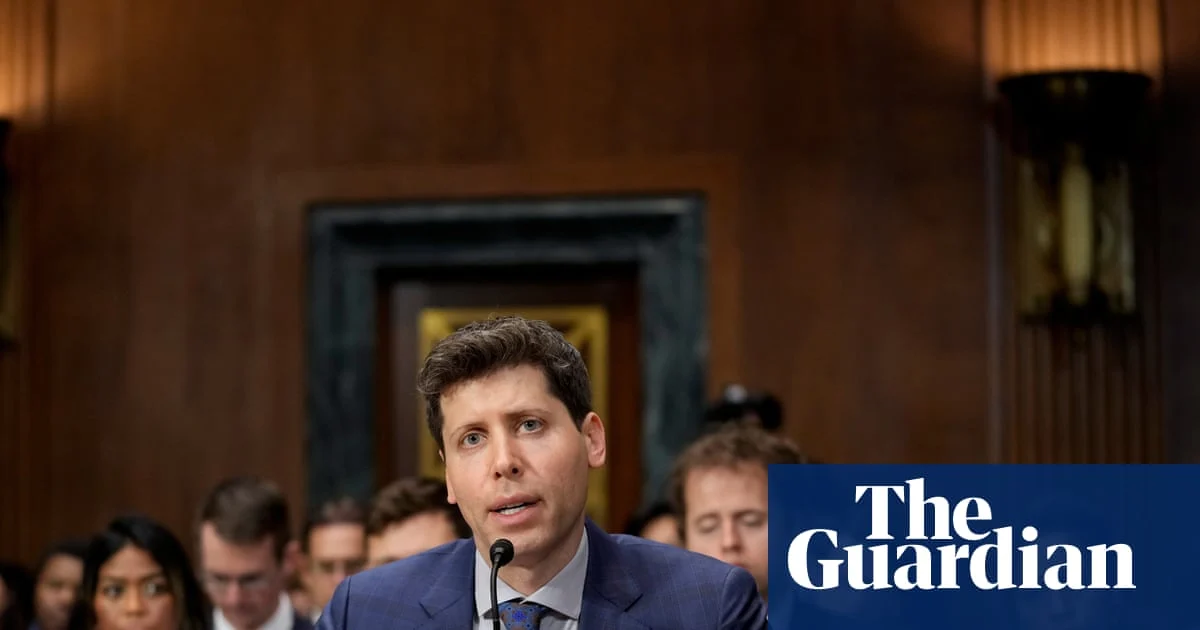
OpenAI CEO Sam Altman has argued that society should accept “bad things” linked to artificial intelligence in exchange for the technology’s broader benefits, according to Business | The Guardian. His comments sparked backlash from critics of major AI companies and came days after a senior safety expert resigned, telling the paper that OpenAI’s “culture is broken”.
Altman’s statements contribute to a growing public debate over how quickly AI should be adopted and whether existing oversight is sufficient to manage emerging risks. He specifically referenced hacks and scams as consequences he believes the world should tolerate. The remarks follow mounting pressure from regulators and advocacy groups calling for stricter controls on powerful AI systems. At the same time, OpenAI faces internal scrutiny after the departure of a key safety staffer, raising questions about how the company balances innovation with responsible development practices.
KEY FACTS
- CEO Sam Altman says society should accept “bad things” from AI
- He cited hacks and scams as acceptable trade-offs
- Comments drew backlash from AI company critics
- Followed safety expert resignation calling culture broken
- Remarks reported by Business | The Guardian
The Trade-Off Argument
In a recent interview, Altman argued that accepting AI risks such as hacks and scams may be necessary to unlock significant societal benefits. This framing positions AI development as a calculated gamble, where short-term downsides are outweighed by long-term gains. Critics argue this approach downplays serious threats, particularly to vulnerable populations. The tension reflects broader disagreements among technologists, policymakers, and civil society over the pace and scope of AI deployment. Some warn that normalizing early harms could set dangerous precedents for future applications.
Internal Turmoil at OpenAI
Altman’s public defense came shortly after a prominent safety researcher left OpenAI, publicly criticizing what they described as a broken organizational culture. That departure signals ongoing friction within the company between rapid innovation goals and safety protocols. External observers note that such exits often fuel skepticism about voluntary compliance with ethical standards. For now, no further details about the resignation were provided by Business | The Guardian.
Who Is Affected?
Individual users face increased exposure to misinformation and fraud, while businesses must navigate evolving liability landscapes. Regulators worldwide are weighing emergency rules, though enforcement remains uncertain. Advocacy groups fear marginalized communities will bear the heaviest burden of unchecked AI misuse.
What We Know — and What We Don’t
Verified by the source:
- Sam Altman heads OpenAI
- He endorsed accepting AI-related harms for benefits
- He mentioned hacks and scams explicitly
- Backlash occurred among AI critics
- A safety expert resigned recently
Still unconfirmed:
- Exact timing of the interview or resignation
- Specific identity or role of departing staffer
- Details of proposed regulatory responses
- Extent of internal discord beyond one resignation
Why It Matters
As governments consider new AI laws, statements like Altman’s shape narratives around risk tolerance. Public trust depends on transparent dialogue about potential dangers and safeguards. Balancing innovation with accountability remains critical as these technologies influence everything from hiring to healthcare decisions. The current moment demands both urgency and caution in policy formation and corporate conduct.
What To Watch
Future announcements from OpenAI regarding safety hires or governance reforms may clarify whether internal concerns will translate into operational changes. Meanwhile, upcoming legislative hearings in the US and EU could test the boundaries of self-regulation versus mandatory oversight.