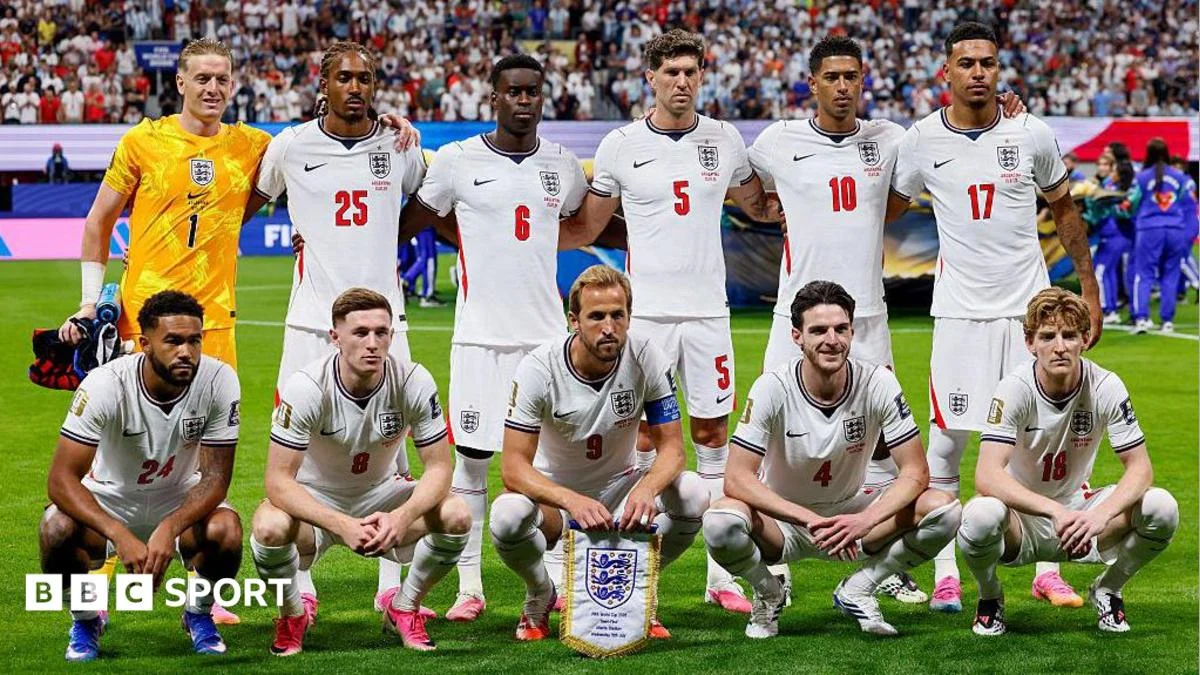
Algorithms designed to maximize engagement and profit amplified racist abuse directed at England footballers on social media during the World Cup, a new report reveals. The findings highlight how automated systems can inadvertently escalate harmful content, raising concerns about the role of technology in moderating online behavior.
The research underscores the challenges platforms face in balancing user engagement with responsible content moderation, particularly during high-profile global events like the World Cup.
Key Facts
- Racist abuse aimed at England footballers was amplified during the World Cup.
- Algorithms designed to maximize engagement and profit contributed to the amplification.
- The findings are based on new research reported by BBC Sport.
How Did This Happen?
Social media platforms use algorithms to prioritize content that generates the most engagement, such as likes, shares, and comments. While these systems are designed to keep users active on the platform, they can also inadvertently promote harmful or divisive content, including racist abuse. During the World Cup, the high volume of traffic and emotional investment in the games likely exacerbated this effect.
The report does not specify which platforms were involved or the exact mechanisms by which the abuse was amplified. However, it raises broader questions about the ethical responsibilities of tech companies in policing harmful content.
Who Is Affected?
The immediate victims of the amplified abuse were England footballers, who faced increased racist attacks on social media during the tournament. Beyond the players, the findings have implications for all users of social media, particularly those from marginalized communities who are often targets of online hate.
The report also places pressure on social media companies to address the unintended consequences of their algorithms, especially during high-profile events where emotions run high.
What We Know — and What We Don’t
Verified by the source:
- Racist abuse targeting England footballers was amplified by algorithms during the World Cup.
- The algorithms were designed to maximize engagement and profit.
Still unconfirmed:
- Which specific social media platforms were involved.
- The exact scale of the amplification effect.
- Whether the platforms were aware of the issue during the tournament.
Why It Matters
The findings highlight a growing tension between the business models of social media platforms and their responsibility to prevent harm. As algorithms increasingly shape online discourse, the report underscores the need for greater transparency and accountability in how these systems operate, particularly during events with global reach.
What To Watch
Further research is expected to delve deeper into the mechanisms of algorithmic amplification and its impact on online abuse. Social media platforms may face increased scrutiny over their content moderation practices, especially around major sporting events.