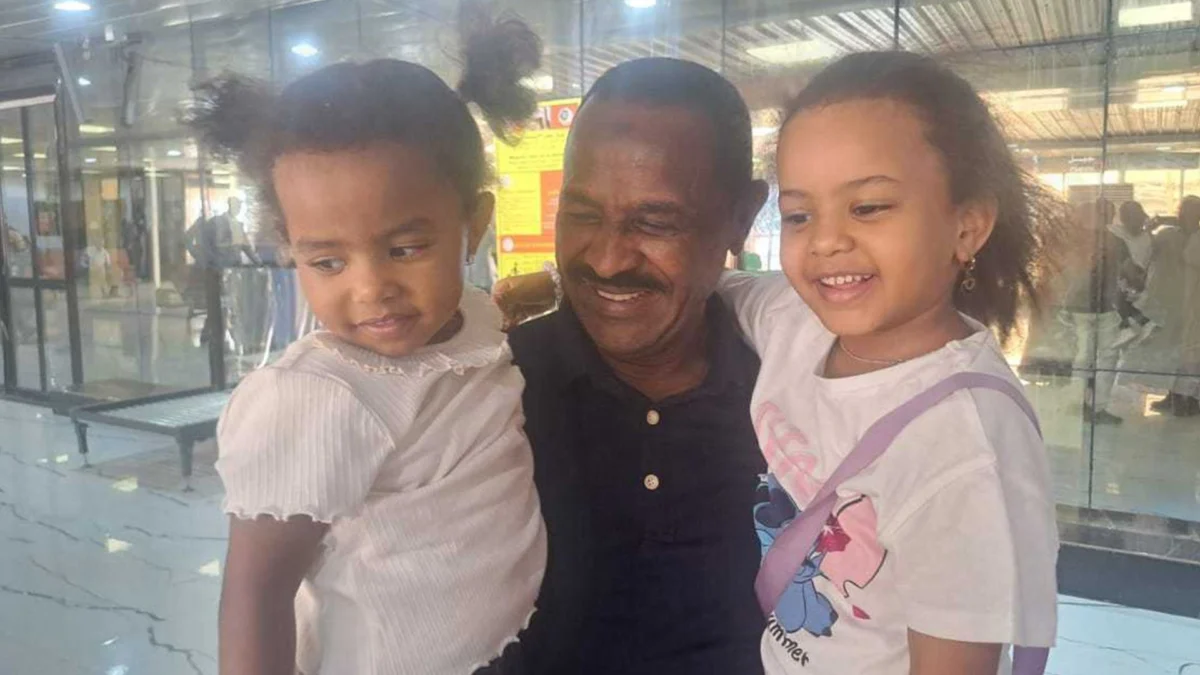
Al‑Tahir al‑Mardi stepped off a battered minibus at Khartoum’s Omdurman market and saw his six‑year‑old daughter sprint toward him, her arms flinging over his neck. The embrace lasted longer than either could count, a poignant reminder that even war’s longest shadows can retreat.
The reunion on June 17 marked the end of a three‑year separation for the Al Jazeera journalist and his family, who were forced apart when fighting erupted in Sudan in 2023.
What led to the family’s separation?
When the Sudanese Armed Forces and the Rapid Support Forces ignited a full‑scale civil war in April 2023, civilian journalists became high‑value targets. Al‑Mardi, then based in Darfur, received credible threats and was evacuated by Al Jazeera to a safer location in the south of Sudan. His wife, Amal, and their two children remained in Khartoum, unable to leave the city due to travel bans and dwindling financial resources.
For 1,095 days, the family communicated only through sporadic, encrypted messages that often vanished under internet blackouts. “We learned to count the days by the sound of shells,” Amal later told Al Jazeera’s own newsroom.
Why does this matter?
The journalist’s return underscores how media workers, once seen as neutral observers, become entangled in the very conflicts they cover. Their safety—or lack thereof—directly shapes the flow of information to the world. When a veteran correspondent like al‑Mardi is finally able to step back into civilian life, it signals a tentative easing of the security climate in Sudan’s capital.
For global audiences, the story humanises abstract casualty statistics. According to the United Nations, over 5 million Sudanese have been displaced since 2023; al‑Mardi’s family is one of countless households navigating loss, uncertainty, and the hope of reunion.
What’s next for al‑Mardi and his reporting?
Al‑Mardi announced he will continue covering Sudanese politics, now from a position of personal stake. “I will report not only on numbers but on the faces behind them,” he said in a brief statement to Al Jazeera.
His newsroom plans to allocate a dedicated safety brief for correspondents operating in high‑risk zones, drawing lessons from his ordeal.
Meanwhile, humanitarian agencies urge authorities to open safe corridors for families separated by the conflict, a move that could prevent further emotional trauma and bolster press freedom.
As Sudan navigates a fragile cease‑fire, al‑Mardi’s homecoming may become a barometer for how quickly normalcy can return to a country that has known war for too long.
War and geopolitics coverage will continue to track the impact of this reunion on both media freedom and civilian morale.
Watch this space for updates on the cease‑fire talks and the next chapter of al‑Mardi’s reporting.