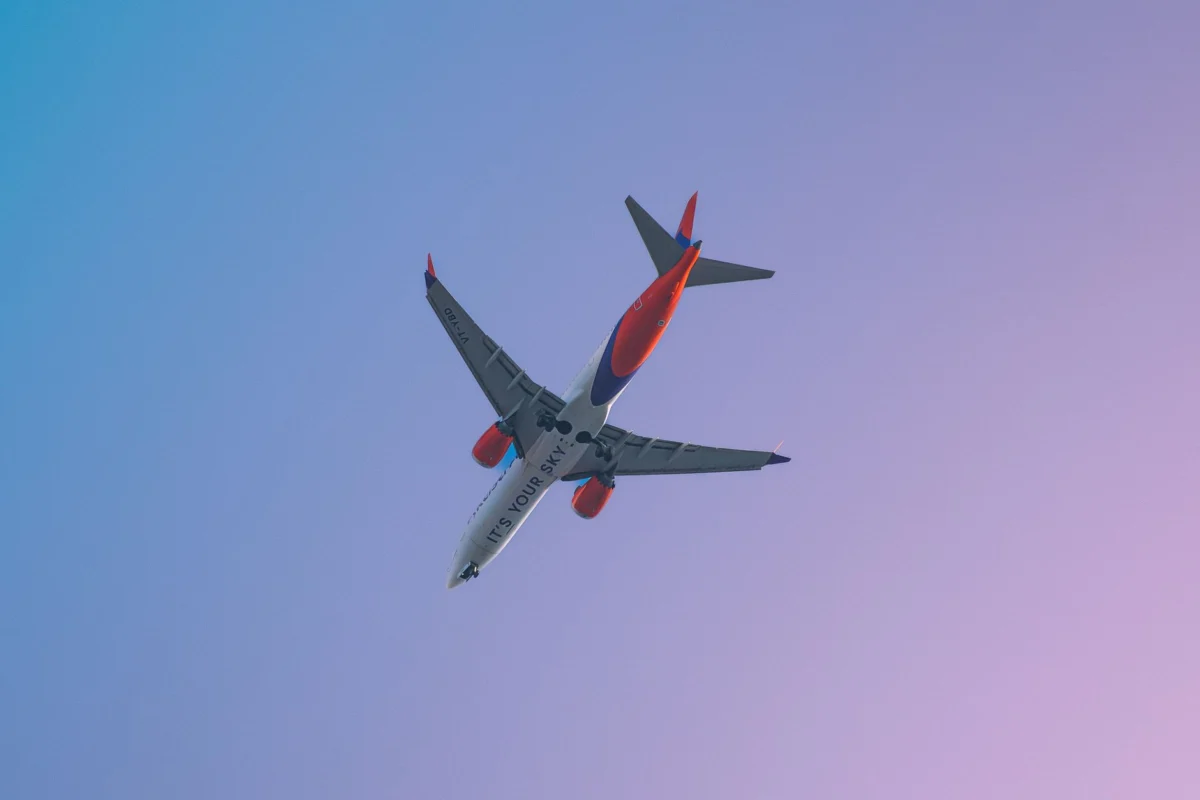
Akasa Air will graduate its first batch of trainee pilots in March 2027, after launching a dedicated pilot training academy this week in Hyderabad.
The 12‑acre campus, equipped with six twin‑engine simulators and a fleet of 15 Cessna 172s, can train up to 300 cadets annually. Tuition starts at ₹9.5 lakh (≈ $11,400) and includes a guaranteed placement with Akasa after successful completion.
“We are creating a pipeline that matches the speed of our own growth,” the airline’s founding team wrote in a press release. With a 45 % increase in domestic passenger traffic over the past year, carriers are scrambling for pilots – a shortage the International Air Transport Association estimates could hit 780,000 worldwide by 2039.
Why does this matter?
The pilot crunch isn’t a niche problem for elite flyers; it drives ticket prices up for everyday travelers and threatens the reliability of India’s booming low‑cost sector. When airlines cannot fill schedules, they cancel or delay flights, eroding consumer confidence.
For the 1.3 million job seekers listed under “aviation” on India’s employment portals, the academy offers a fast‑track route into a high‑paying profession. Graduates command salaries of ₹12–15 lakh per year, well above the average entry‑level wage of ₹5.5 lakh in the sector.
What happens next?
Akasa plans to certify its own training curriculum with the Directorate General of Civil Aviation (DGCA) by the end of 2026. If approved, the academy could become a model for other carriers, prompting a wave of private‑sector flight schools that compete with government‑run institutes.
Industry analysts at economy and markets warn that without coordinated policy – such as incentives for regional training hubs – the supply bottleneck may outpace even aggressive private initiatives.
Meanwhile, students from tier‑2 cities are flocking to the Hyderabad campus, attracted by scholarships funded by Akasa’s parent company, the Vistara Group. The first intake already filled 90 % of seats within two weeks of announcement.
Will this academy stem the tide of pilot shortages, or simply shift the problem to other airlines? The answer will shape ticket prices, flight frequencies, and the career prospects of thousands of aspiring aviators in the years ahead.