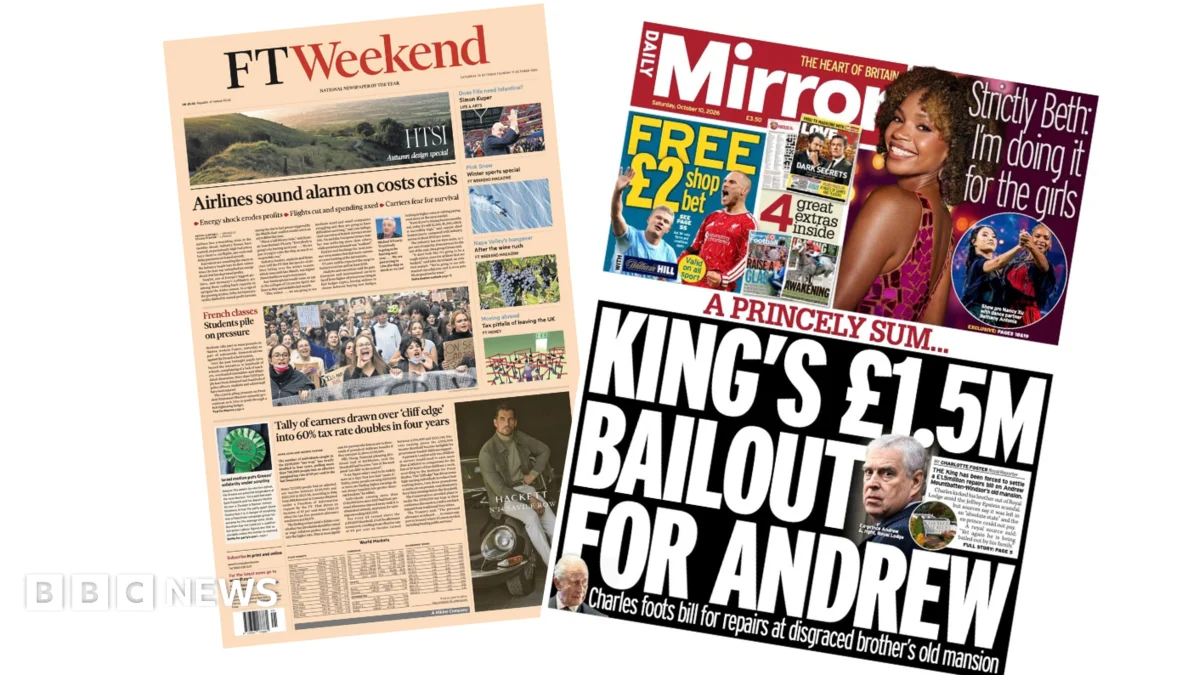
Airlines face a mounting costs crisis, with the weekend edition of the Financial Times highlighting escalating financial pressures across the industry, according to BBC News. The publication also reported on a 1.5 million pound bailout, underscoring the depth of challenges confronting carriers. These developments suggest growing strain on airline operations and profitability. The crisis appears to center on rising expenses that are outpacing revenue gains, forcing companies to seek emergency support or restructuring measures. As costs continue to climb, the sector may see further consolidation or government intervention. BBC News relayed these concerns without specifying which airline received the bailout or the precise reasons behind the cost increases. Industry analysts have not yet weighed in publicly, leaving readers reliant on the initial reporting.
KEY FACTS
- The Financial Times has reported a mounting costs crisis for airlines.
- A 1.5 million pound bailout was highlighted in connection with the crisis.
- BBC News summarized these findings from the weekend edition of the Financial Times.
The scope of the costs crisis
The Financial Times’ coverage frames the situation as a broad industry-wide challenge rather than isolated to one carrier. Rising fuel prices, staffing shortages, and post-pandemic demand fluctuations are likely contributing factors, though the source does not name these explicitly. The phrase ‘mounting crisis’ implies a trend that has been building over time, potentially affecting route planning, ticket pricing, and employment decisions across multiple airlines.
What happens next?
With a reported 1.5 million pound bailout already in focus, further financial support or restructuring measures may follow if the costs crisis continues unchecked. Regulators and policymakers could weigh in on whether additional oversight or emergency funding is warranted. The airline sector has historically relied on state aid during downturns, but such bailouts often come with conditions tied to debt repayment and operational reforms. Investors and passengers alike are likely watching for signs of broader fallout, including potential route cuts or fare hikes. Additional clarity on which airline received the bailout and why costs have spiked would help assess the full impact of the reported crisis.
What We Know — and What We Don’t
Verified by the source:
- The Financial Times reported a mounting costs crisis for airlines.
- A 1.5 million pound bailout was cited in the report.
- BBC News relayed the information from the weekend edition of the Financial Times.
Still unconfirmed:
- The name of the airline receiving the bailout.
- The specific causes driving the cost increases.
- The timeline or terms of the bailout arrangement.
- Official responses from aviation authorities or government officials.
Why It Matters
A sustained costs crisis in aviation can ripple through the global economy, affecting travel prices, tourism revenues, and related industries such as hospitality and manufacturing. When airlines struggle financially, they may reduce flights, cut jobs, or raise fares, all of which influence consumer spending and business logistics. Past episodes of industry distress have prompted large-scale bailouts, raising questions about public accountability and long-term sustainability. Monitoring how this latest development unfolds offers insight into both corporate resilience and the extent of ongoing economic pressures in the post-pandemic landscape.
What To Watch
Further details may emerge as airlines release earnings reports or regulatory disclosures. Additional commentary from industry groups or government agencies could clarify whether broader policy action is being considered in response to the reported costs crisis.