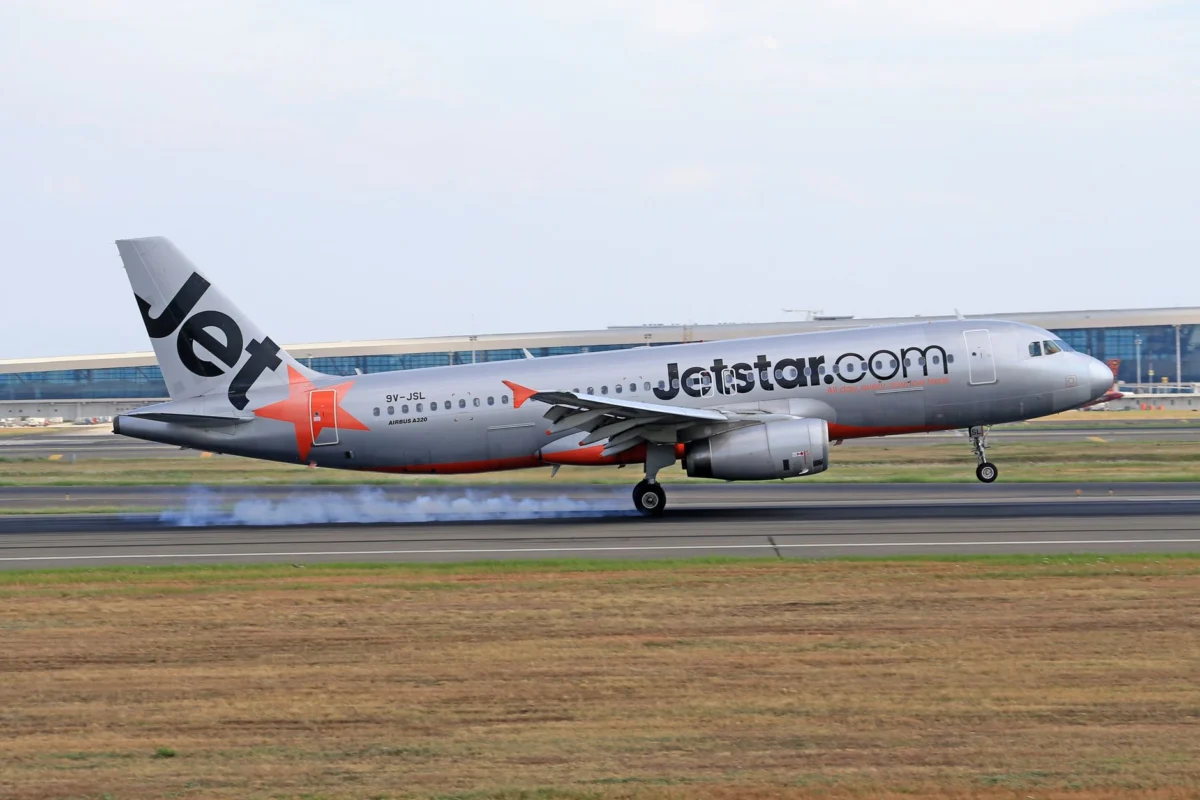
Airlines have successfully returned grounded jets to active service, though unresolved engine-related costs continue to strain their finances. The operational rebound comes as carriers navigate persistent maintenance and repair expenses tied to aircraft engines.
The reactivation of idled fleets marks progress for an industry recovering from pandemic-era disruptions. However, the financial impact of engine upkeep remains a lingering challenge for airlines managing post-crisis budgets.
KEY FACTS
- Airlines have returned previously grounded jets to service
- Engine-related bills continue to affect airline finances
- The situation involves maintenance costs for reactivated aircraft
WHAT’S DRIVING THE RETURN OF GROUNDED JETS?
The aviation industry is working to restore full capacity after widespread groundings during travel downturns. As demand rebounds, carriers are bringing stored aircraft back into rotation to meet passenger needs and capitalize on recovering revenue streams.
This fleet reactivation represents a significant operational milestone, allowing airlines to reduce reliance on expensive short-term leasing arrangements. The process involves extensive maintenance checks and regulatory approvals before aircraft can return to regular service.
WHY ARE ENGINE COSTS STILL A PROBLEM?
Engine maintenance represents one of the most complex and costly aspects of aircraft upkeep. The extended storage periods during groundings often necessitate additional inspections and part replacements to ensure airworthiness.
Modern jet engines contain thousands of precision components requiring specialized maintenance. The cumulative effect of deferred upkeep during storage periods, combined with inflationary pressures on spare parts and labor, has created sustained financial pressure even as operations normalize.
WHAT WE KNOW — AND WHAT WE DON’T
Verified by the source:
- Airlines have reactivated previously grounded aircraft
- Engine-related expenses continue to impact carrier finances
Still unconfirmed:
- The exact scale of engine maintenance costs across different airlines
- Whether these expenses will affect ticket prices for consumers
- How individual carriers are addressing the financial impact
WHY IT MATTERS
Engine maintenance represents a substantial portion of airline operating costs, and unresolved expenses could affect carriers’ ability to invest in fleet modernization or maintain competitive pricing. The situation highlights ongoing challenges in the aviation industry’s post-pandemic recovery.
WHAT TO WATCH
Industry observers will monitor whether engine-related costs stabilize as reactivated aircraft accumulate more flight hours. Airlines’ upcoming financial reports may provide clearer indications of how these expenses are affecting overall performance.