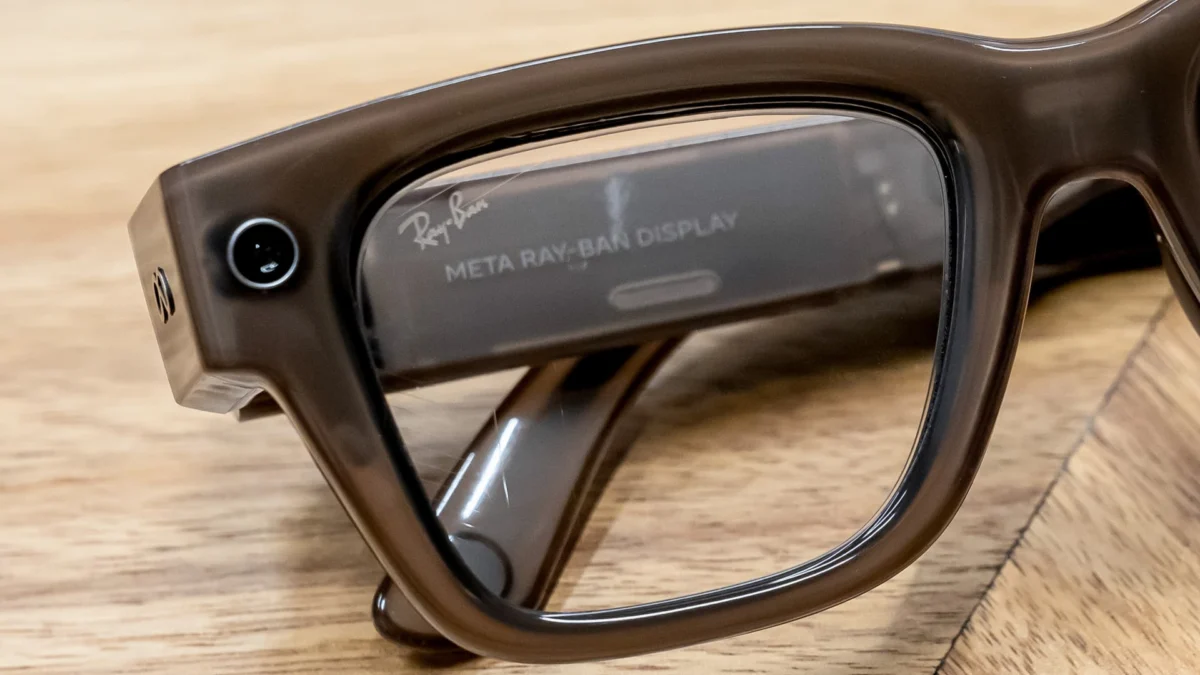
AI wearables
The launch of new AI-powered wearable devices from Apple, Google, and Meta comes amid rising privacy concerns among consumers. These companies are racing to establish a foothold in the wearable AI market, even as public scrutiny increases over data collection practices.
Growing skepticism around how personal data is gathered and used by wearable technology has complicated efforts by tech giants to promote their latest offerings. A recent IPO withdrawal and reputational challenges have further underscored the difficulties facing the sector.
KEY FACTS
- Apple, Google, and Meta are promoting new AI wearables.
- Privacy concerns are increasing around wearable devices.
- An IPO withdrawal was described as ‘weird’ in reports.
- Reputation issues have affected the wearable AI market.
- The breakout moment for AI wearables remains stalled.
- Apple, Google, and Meta are pushing new AI wearable devices.
- Growing privacy concerns exist around wearable technology.
- An AI wearable IPO withdrew in a manner described as unusual.
- A tainted reputation has influenced public perception of the sector.
- Specific models or timelines for upcoming AI wearables.
- Exact nature of the IPO withdrawal or responsible parties.
- Detailed measures taken to mitigate privacy risks.
- Financial impact on affected companies due to stalled adoption.
What happens next for AI wearables?
The future of AI wearables hinges largely on whether companies can address consumer trust issues. As privacy concerns dominate discussions, firms must balance innovation with transparency to gain user confidence.
Regulatory pressures may also shape the trajectory of wearable AI devices. Stricter oversight on data handling could force tech companies to redesign features or delay product launches until compliance frameworks evolve.
Market analysts suggest that successful products will depend on clear value propositions that outweigh privacy fears. Until then, the momentum behind AI wearables is likely to remain cautious.
Who is affected by AI wearables developments?
Consumers are directly impacted as they navigate choices between convenience and privacy when considering wearable AI gadgets. Investors too face uncertainty, especially following erratic IPO movements and volatile market reactions tied to reputational risks.
Tech companies involved in wearable AI development bear significant pressure to prove both functionality and trustworthiness of their devices. Their success depends on aligning product design with evolving expectations around digital safety and user consent.
Policy makers play a role by potentially introducing legislation governing data use in wearables. Their decisions will influence how freely companies can innovate while respecting individual privacy rights.
WHAT WE KNOW — AND WHAT WE DON’T
Verified by the source:
Still unconfirmed:
This story ties into broader shifts across economy and markets as investors weigh ethical tech trends against commercial potential.
Why it matters: Public hesitation over AI wearables reflects deeper questions about surveillance, consent, and the pace of automation in daily life. It also signals that regulatory clarity may become a competitive advantage in the tech industry.
What to watch: Whether upcoming product releases can overcome lingering skepticism or prompt stronger policy responses from lawmakers.