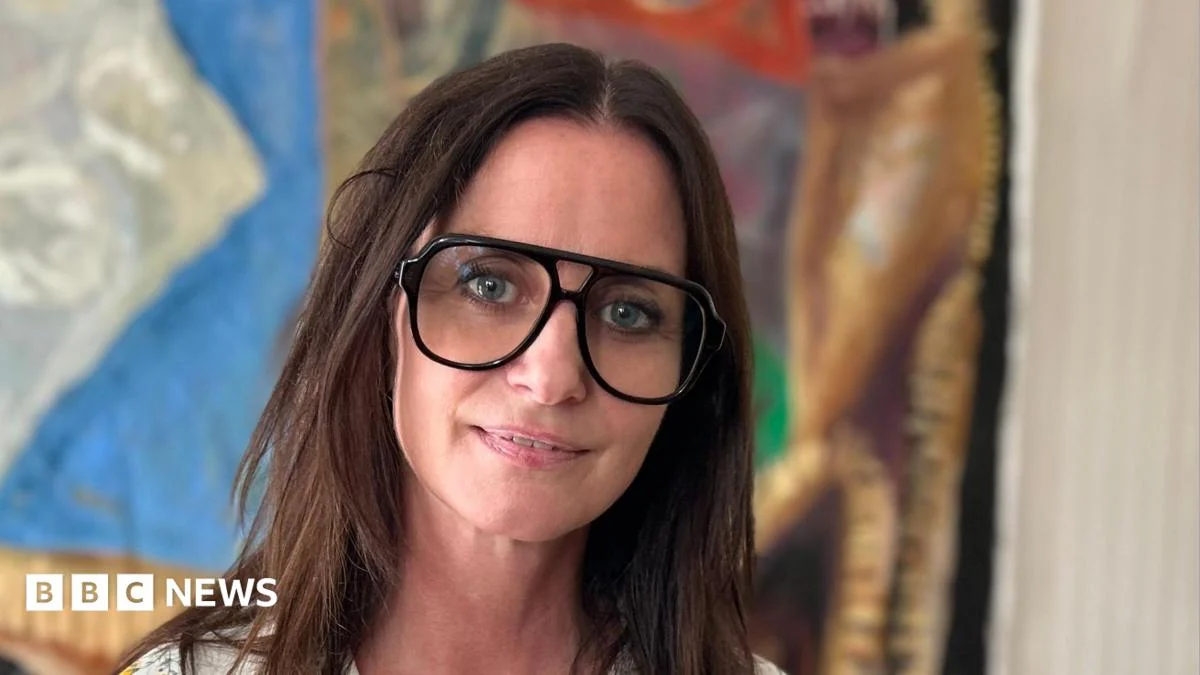
AI-powered recruitment tools may inadvertently disadvantage women attempting to return to the workplace after career breaks, raising concerns about fairness in hiring processes, reports BBC News.
The report highlights that women ‘Botoxing their CVs’—removing gaps or adjusting details—may still face algorithmic screening biases when applying for jobs. This trend could disproportionately affect female candidates who take career breaks for caregiving.
Key Facts
- AI recruitment tools may disadvantage women returning to work, per BBC News
- Some women report modifying CVs (‘Botoxing’) to appear more algorithm-friendly
- Concerns center on caregiving gaps triggering algorithmic bias in screening
How do AI recruitment tools work?
Most AI hiring platforms analyze resumes for keywords, experience duration, and employment gaps—metrics that may penalize applicants with non-linear career paths. While designed to reduce human bias, these systems often train on historical hiring data that reflects existing workplace inequalities.
Who is most affected?
Women re-entering the workforce after childcare breaks appear particularly vulnerable. Career gaps—even when voluntarily disclosed—may trigger rejection by automated systems before human reviewers see applications. Candidates report strategies like listing freelance work or education to ‘fill’ gaps.
What We Know — and What We Don’t
Verified by the source:
- Some women alter CVs to bypass AI screening algorithms
- Concerns exist about AI tools disadvantaging career-returning women
Still unconfirmed:
- Which specific AI tools demonstrate this bias
- Statistical evidence on rejection rates for gap-containing resumes
- Whether tool developers are addressing these concerns
Why It Matters
As over 75% of career breaks are taken by women, algorithmic hiring biases could perpetuate workforce gender gaps. With 98% of Fortune 500 companies using automated screening, unchecked AI bias may systematically exclude qualified female candidates.
What To Watch
Whether AI recruitment tool developers will release bias audits or adjust gap-detection algorithms. The UK Equality and Human Rights Commission monitors automated hiring systems for discrimination risks.