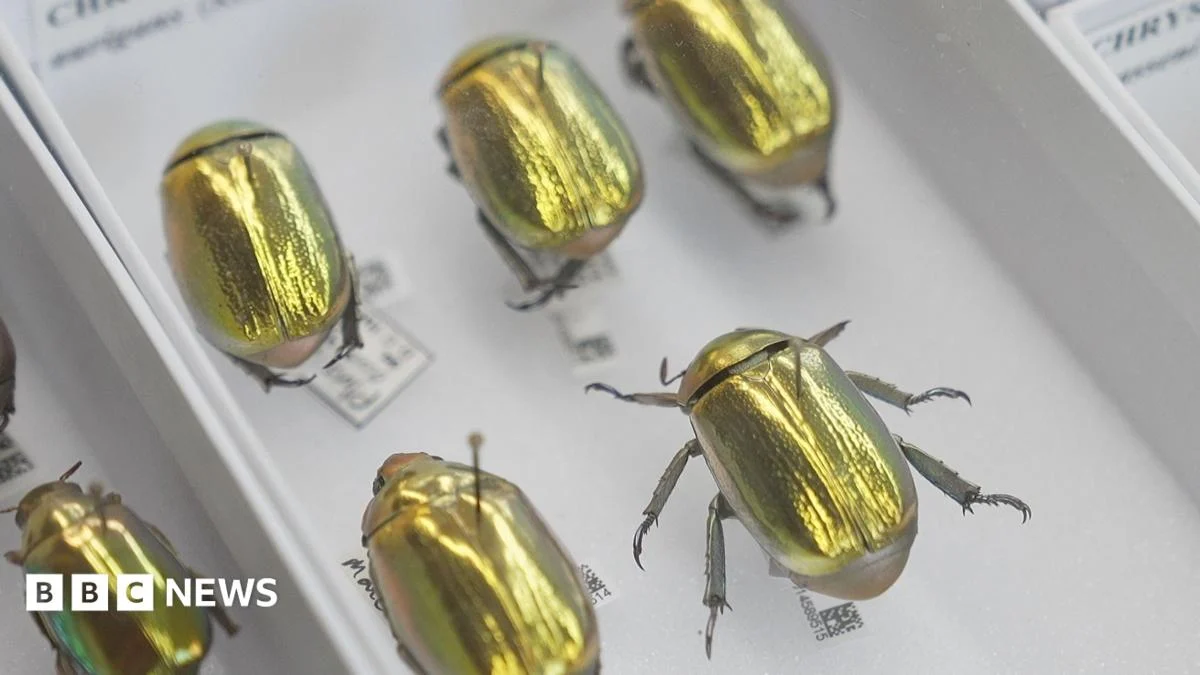
AI is helping build a UK super-museum, combining over 70 million specimens from 100 collections into a single digital archive. The project aims to make the planet’s natural history accessible for research, education, and public engagement.
This effort represents a major shift in how museums preserve and share knowledge, using technology to unlock access to centuries of collected materials.
KEY FACTS
- More than 70 million specimens are included in the digital museum project.
- Specimens come from 100 UK collections.
- AI is being used to digitize and organize the specimens.
- The goal is to create an online digital museum.
- The collection reveals the planet’s history through natural history specimens.
The Story: What happens next?
The integration of AI into natural history digitization allows researchers and educators to access vast archives that were previously physically limited. High-resolution imaging and machine learning assist in cataloging each specimen with unprecedented detail and speed.
This digital transformation benefits global science communities. Scholars worldwide can now study rare fossils, plants, and animal samples without traveling to the UK, accelerating discovery and collaboration across borders.
Who is affected?
Museums, scientists, educators, and students benefit from broader access to curated data. The UK super-museum becomes a shared resource, bridging institutional boundaries and enabling new insights into Earth’s biodiversity and evolutionary history.
Why it matters
By creating a centralized, AI-enhanced digital archive, the project preserves fragile specimens and ensures long-term scientific value while democratizing access to natural history collections.
WHAT WE KNOW / WHAT WE DON’T
Verified by the source:
- The archive includes over 70 million specimens.
- Data spans 100 UK collections.
- AI plays a role in digitization.
- The initiative creates an online digital museum.
- It reveals planetary history.
Still unconfirmed:
- Which institutions are participating.
- The timeline for completion.
- Whether international collections are included.
Why it matters
Digitizing millions of specimens preserves invaluable scientific data and makes it globally accessible, potentially reshaping research and education in natural history.
What to watch
Future updates may detail expanded partnerships, enhanced AI tools, or public access features as the online digital museum develops.