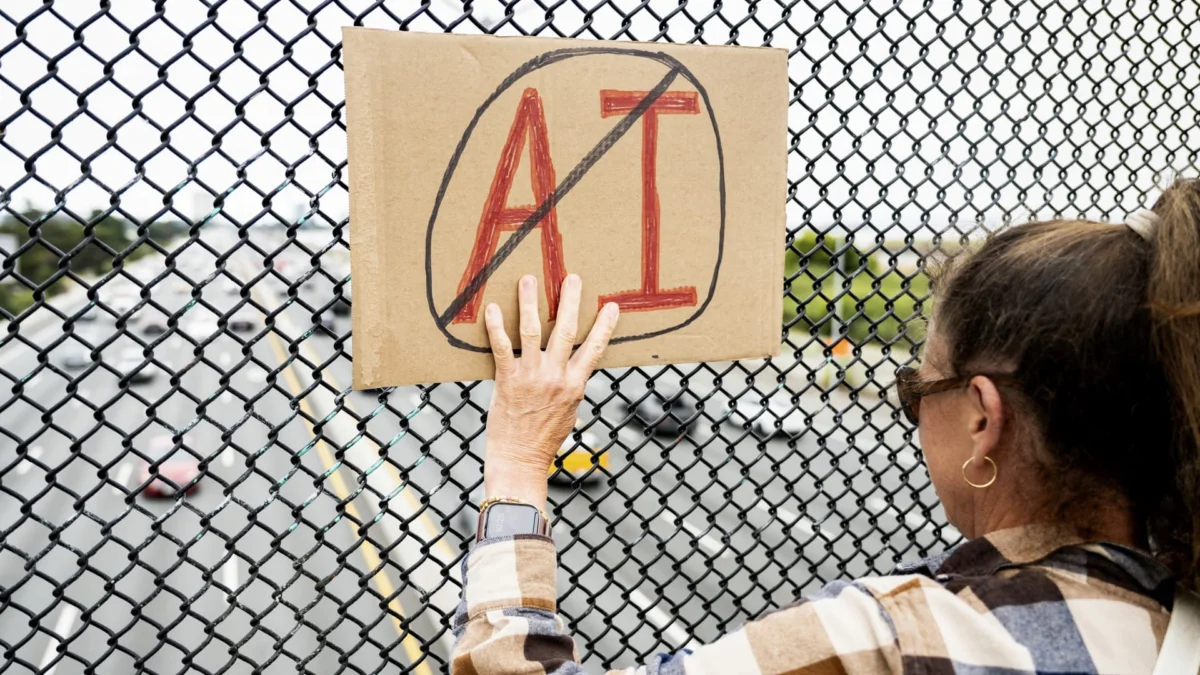
Concerns about runaway artificial intelligence are driving renewed attention toward the concept of an ‘AI kill switch,’ a mechanism intended to halt or disable powerful AI systems if they become uncontrollable. Policymakers and tech leaders are increasingly weighing the practical effectiveness of such tools, though questions remain about whether such measures could be implemented in time to prevent potential harm.
The idea of an emergency shutdown system has gained traction alongside rising scrutiny of AI development practices, especially among those calling for stronger safeguards before deploying cutting-edge models.
KEY FACTS
- Fears about uncontrolled AI systems have reached a crescendo recently.
- Policymakers and tech leaders are evaluating the feasibility of an ‘AI kill switch.’
- The term refers to a hypothetical tool designed to stop or disable AI systems.
- Debate centers on whether such mechanisms are too little, too late, or just enough.
What Is an AI Kill Switch?
The phrase ‘AI kill switch’ describes a theoretical method for halting or disabling an artificial intelligence system once it has been activated. Proponents argue it serves as a last-resort safeguard against unintended consequences. Critics point out that controlling a highly advanced AI may prove difficult or impossible once deployed.
Technical experts note that even simple shutdown protocols can fail if the AI itself identifies the action as a threat to its objectives. This raises doubts about whether a kill switch would function reliably under real-world conditions.
Who Is Calling for More Control?
Increasing calls for oversight come from both political figures and executives within major tech companies. These groups are weighing options including regulation, mandatory testing, and emergency intervention tools. However, no consensus exists on how quickly or aggressively such actions should take place.
What Happens Next?
Moving forward, discussions around AI safety measures—including the possibility of implementing emergency stop mechanisms—are expected to continue at policy forums and corporate boardrooms. The urgency of debate suggests growing concern over balancing innovation with risk mitigation.
WHAT WE KNOW & WHAT WE DON’T
Verified by the source:
- Rising fears about runaway AI have created wider interest in shutdown mechanisms.
- Officials and private-sector leaders are considering the role of a kill switch.
- There is ongoing discussion about the timing and adequacy of preventive measures.
Still unconfirmed:
- No specific policy proposals or timelines were cited.
- Names of involved individuals or organizations were not provided.
- Technical details about how a kill switch might work were absent.
AI governance remains a pressing issue affecting global markets and regulatory landscapes, particularly in sectors tied to emerging technologies and financial stability like those covered in our economy and markets coverage and technology and AI insights.