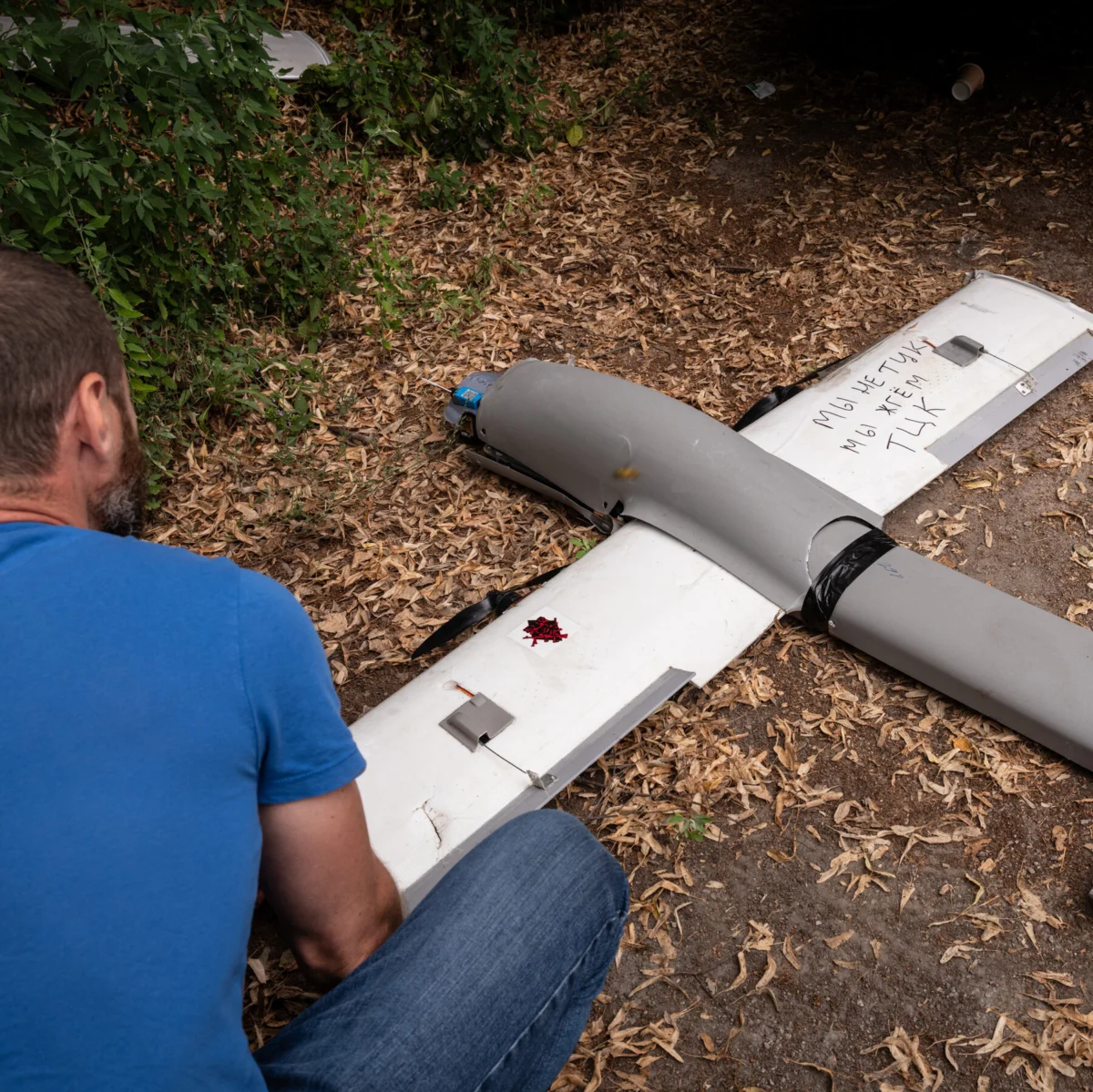
A drone guided entirely by artificial intelligence killed three Ukrainians in what officials describe as a Russian attack, signaling a shift toward autonomous weaponry in warfare. The incident, involving a drone reportedly equipped with an Nvidia chip, highlights the rapid advancement of AI in military applications and its potential consequences.
KEY FACTS
- A drone guided by AI killed three Ukrainians.
- Ukrainian officials attributed the attack to Russia.
- The drone reportedly used an Nvidia chip for autonomous operation.
- The event underscores concerns about AI-driven weaponry in modern warfare.
HOW DID THIS HAPPEN?
According to Ukrainian officials, the attack marks one of the first confirmed uses of a fully autonomous drone in combat. The integration of an Nvidia chip suggests advanced AI capabilities, allowing the drone to identify and strike targets without human intervention. This development raises ethical and strategic concerns about the role of AI in warfare, particularly its potential to escalate conflicts with minimal human oversight.
WHAT ARE THE IMPLICATIONS?
The use of AI-guided drones in warfare could redefine battlefield dynamics, reducing reliance on human operators and increasing the speed and precision of attacks. However, it also introduces risks, such as malfunction, misuse, or unintended casualties. The incident has reignited debates about international regulations on autonomous weapons, with critics warning of a dystopian future where machines make life-and-death decisions.
WHAT WE KNOW — AND WHAT WE DON’T
Verified by the source:
- A drone killed three Ukrainians.
- The drone was guided entirely by AI.
- Ukrainian officials accuse Russia of deploying the drone.
Still unconfirmed:
- The exact model of the drone or Nvidia chip used.
- Whether this was an isolated incident or part of a broader strategy.
- Official responses from Russian authorities.
WHY IT MATTERS
The incident underscores the growing role of AI in military operations and the urgent need for global discussions on ethical boundaries. Autonomous weapons could lower the threshold for conflict, making warfare more frequent and unpredictable. Without clear regulations, the proliferation of such technology risks destabilizing international security.
WHAT TO WATCH
Further developments in Ukraine’s investigation and any official statements from Russia will be critical. Additionally, international bodies may respond with calls for stricter controls on autonomous weapons systems.