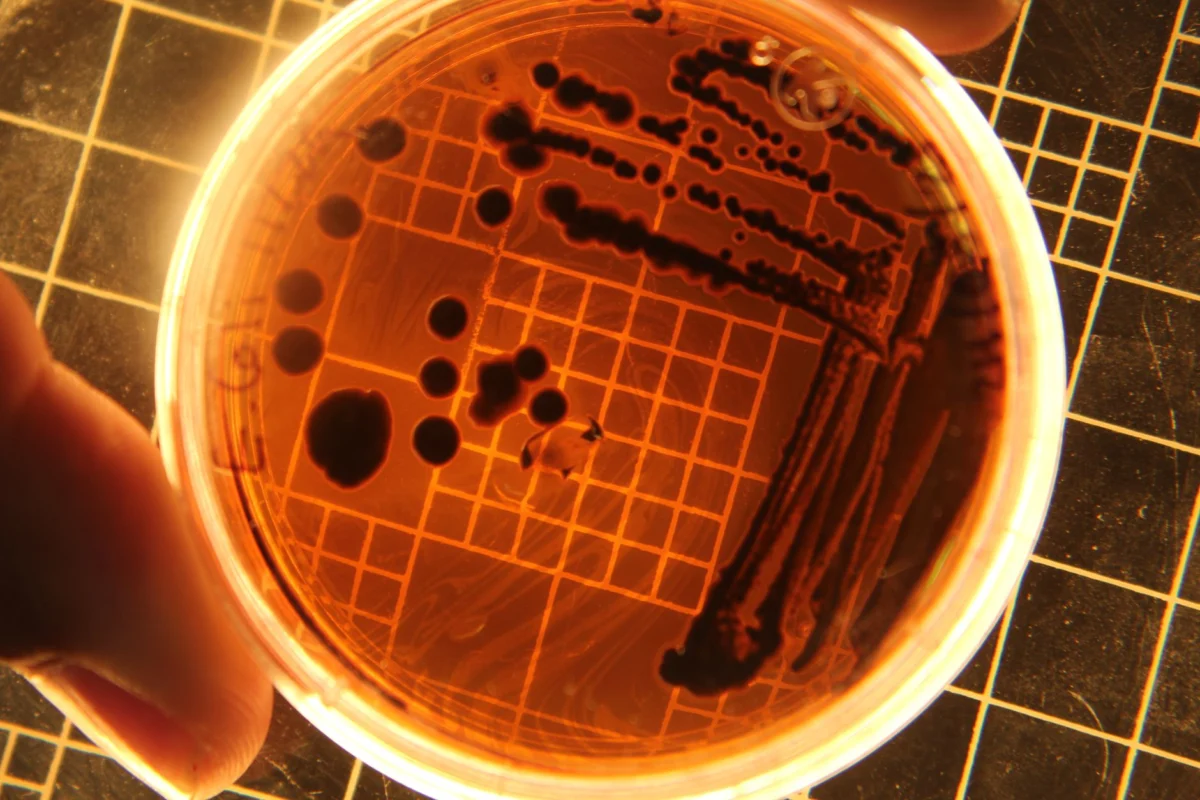
Artificial intelligence has been used to create functional viruses that do not exist in nature, according to a report by The New York Times. Scientists trained an AI model on libraries of DNA and then tasked it with designing viral genomes, resulting in 16 viable new viruses. This breakthrough raises significant questions about the potential risks and benefits of AI in biological research.
The process involved feeding the AI extensive genetic data, enabling it to generate novel viral sequences. The success of this experiment highlights both the capabilities of AI in synthetic biology and the ethical concerns surrounding its use.
Key Facts
- Scientists trained AI on DNA libraries to generate viral genomes.
- The AI produced 16 viable viruses not found in nature.
- The research was reported by The New York Times.
- The experiment demonstrates AI’s potential in synthetic biology.
- Ethical concerns about AI-generated viruses are raised by the findings.
How Did This Happen?
The scientists utilized artificial intelligence to analyze and synthesize DNA sequences, a process that traditionally requires extensive manual effort. By training the AI on existing viral genomes, the model learned to predict and create new sequences that could form functional viruses. This marks a significant leap in the field of synthetic biology, where AI is increasingly being used to accelerate research.
While the study showcases the potential for AI to aid in medical and scientific advancements, it also underscores the need for strict oversight. The ability to create new pathogens in a lab setting could have unintended consequences if not properly regulated.
What Are the Implications?
The creation of functional viruses by AI opens up new avenues for vaccine development and disease research. However, it also presents risks, including the potential for misuse in bioterrorism or accidental release. The scientific community is grappling with how to balance innovation with safety in this rapidly evolving field.
Experts emphasize the importance of robust ethical guidelines and regulatory frameworks to ensure that AI-generated biological materials are used responsibly. The study serves as a reminder of the dual-use nature of advanced technologies, where breakthroughs can have both beneficial and dangerous applications.
What We Know — and What We Don’t
Verified by the source:
- AI was trained on DNA libraries to create viral genomes.
- Sixteen of the generated viruses were biologically viable.
- The research was reported by The New York Times.
Still unconfirmed:
- The exact methodology used by the AI to generate the viruses.
- Whether any of the viruses pose a threat to human health.
- How the scientific community plans to regulate such research.
Why It Matters
This development represents a significant milestone in the intersection of artificial intelligence and synthetic biology. While the potential benefits for medical research are substantial, the risks associated with AI-generated pathogens cannot be ignored. The findings highlight the urgent need for ethical considerations and regulatory oversight in this emerging field.
What To Watch
The scientific and regulatory communities are expected to respond to these findings with heightened scrutiny. Future research will likely focus on establishing safeguards to prevent misuse of AI-generated biological materials.