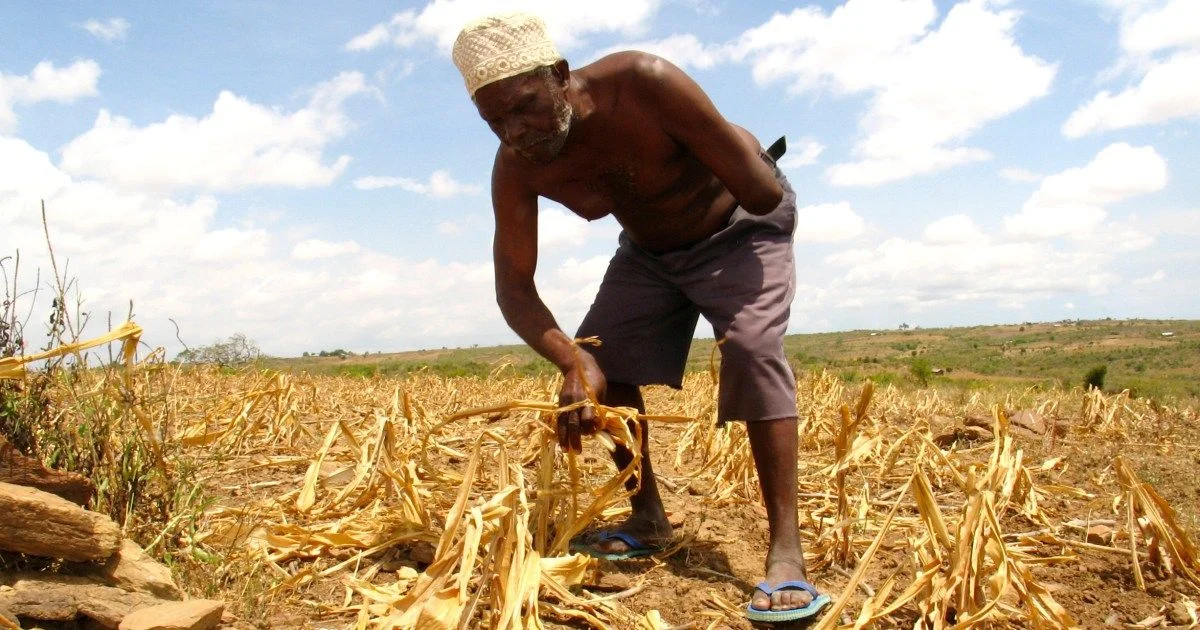
Africa’s Green Revolution, aimed at modernizing agriculture, is undermining traditional food systems by encouraging monoculture farming over diverse, indigenous crops. While intended to boost yields and economic growth, the push for single-crop production is reducing reliance on native plants that are often more nutritious and resilient to climate shocks. This shift raises concerns about long-term food security and cultural sustainability across the continent.
According to Al Jazeera, the promotion of monocultures threatens traditional foods, which include a range of locally adapted crops known for their nutritional value and ability to withstand harsh environmental conditions. These traditional crops are being displaced as governments and international organizations advocate for large-scale farming of commodity grains such as maize and rice. The consequences could affect rural livelihoods, dietary diversity, and ecosystem health.
KEY FACTS
- The Green Revolution in Africa is promoting monocultures.
- Monocultures are hurting production of traditional crops.
- Traditional crops are more nutritious and climate-resistant.
- The changes threaten local food systems and dietary diversity.
The Story
Who Is Affected?
Smallholder farmers, rural communities, and consumers dependent on traditional diets are among those most affected by the shift toward monoculture-based agriculture. Indigenous communities that have cultivated diverse crops for generations now face pressure to adopt industrial farming methods supported by seed companies and government policies. These groups rely heavily on traditional plants such as sorghum, millet, cassava, and yams, which offer essential nutrients and tolerate droughts, floods, and poor soils better than imported high-yield varieties.
As subsidies, financing, and infrastructure favor monoculture expansion, many traditional seed systems erode. Farmers may lose access to heirloom seeds and ancestral knowledge tied to specific landscapes and seasonal cycles. Youth migration to urban centers further weakens transmission of agro-biodiversity practices. Meanwhile, processed foods derived from exported commodities become cheaper and more accessible, contributing to malnutrition despite increased caloric output.
How Did We Get Here?
The Green Revolution model emerged globally in the mid-20th century, emphasizing increased use of synthetic fertilizers, pesticides, irrigation, and high-yielding crop varieties to maximize productivity. In Africa, renewed interest in this approach gained momentum through initiatives backed by philanthropies, multinational corporations, and development agencies seeking to replicate successes seen elsewhere. Policies incentivizing cash crops like cotton, tea, and biofuels also redirected land use away from subsistence farming.
This trend intensified under the banner of climate-smart agriculture and yield improvement programs. However, critics argue that the focus on productivity overlooks the ecological and social benefits embedded within traditional farming systems. Despite growing evidence supporting crop diversification for sustainable development, institutional momentum continues to prioritize standardized solutions over context-specific innovations rooted in local experience.
What We Know — and What We Don’t
Verified by the source:
- The Green Revolution in Africa promotes monocultures.
- This undermines production of traditional, nutritious crops.
- Traditional crops are more climate-resistant than monoculture alternatives.
Still unconfirmed:
- No specific countries or regions cited where impacts occurred.
- No names of organizations driving policy mentioned.
- No data provided on extent or rate of crop displacement.
- No timeline given regarding when these changes began or accelerated.
Why It Matters
The future of African food systems hangs in the balance. A continued shift toward monocultures risks deepening inequality, weakening resilience against climate change, and eroding culinary heritage. At the same time, balancing innovation with preservation of traditional ecological wisdom will be crucial for achieving inclusive, sustainable development goals worldwide.
What To Watch
Further reporting may clarify whether policy reforms or grassroots movements emerge to protect traditional crop diversity amid ongoing investment in industrialized agriculture models.