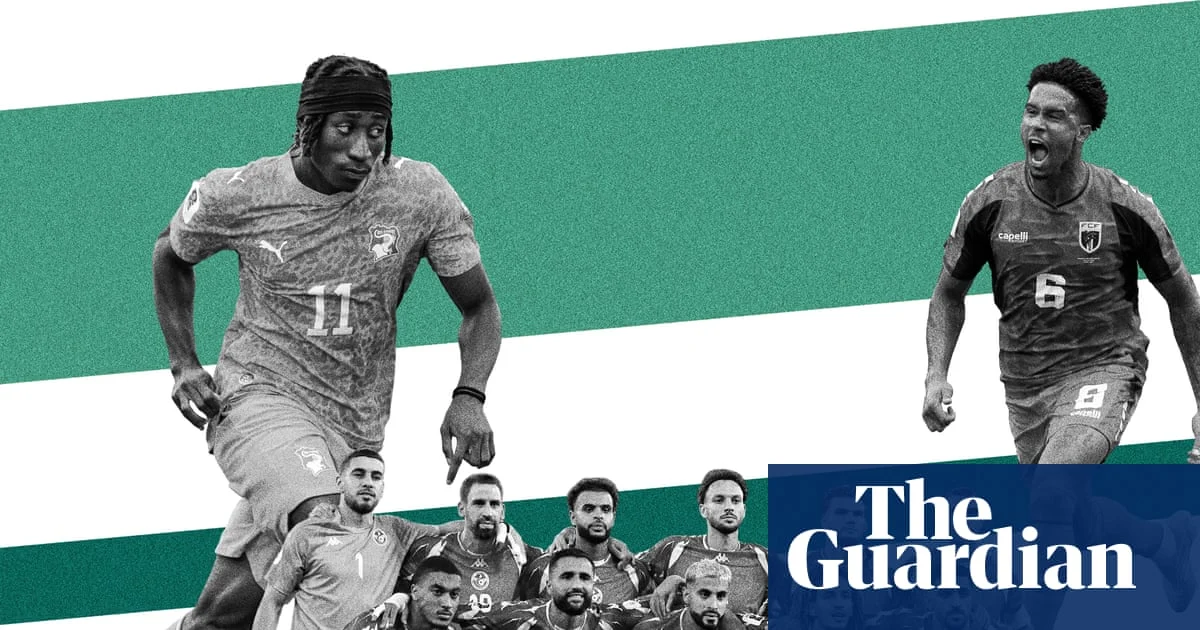
In the 67th minute of Senegal’s group‑stage clash against Norway, a lone Cameroonian fan in the stands erupted as the Lions of the West sang their national anthem—a moment that captured the weight of a continent’s hopes.
African teams are on the brink of either confirming their long‑awaited progress or falling back into the familiar narrative of early exits. With nine automatic berths for the Confederation of African Football (Caf) and a tenth earned through DR Congo’s playoff win over Jamaica, the 2026 World Cup is the most heavily represented African tournament in history.
Numbers that tell the story
In Qatar 2022, Caf held five of the 32 spots (16%). This edition expands the field to 48, giving Caf nine guaranteed places (19%) plus the playoff winner, a 80% increase in representation. Yet the group‑stage results are patchy: Senegal sit second in Group I with a win and a loss, Morocco sit third after a draw and a defeat, while Cameroon and Tunisia each sit on a single point after opening draws.
“We are a very capable side,” said a local analyst, noting Senegal’s 2‑1 victory over the Netherlands in their opener. The same analyst warned that a loss to Norway could tip the balance, leaving Africa’s performance to be judged by a handful of points rather than the historic increase in slots.
Why does this matter?
Beyond national pride, the success of African teams influences sponsorship money, grassroots investment, and the perception of talent pipelines that feed European clubs. A deep run by an African side could spark a new wave of academy funding across the continent, while continued group‑stage exits risk reinforcing the argument that Caf still lags behind South America’s four‑plus slots.
Fans in Lagos, Nairobi and Johannesburg have already ordered new jerseys, betting agencies report a 30% rise in bets on African outcomes, and broadcasters are negotiating higher fees for future CAF matches. The stakes are not just on the pitch.
Key fixtures to watch
Monday’s showdown at New York‑New Jersey Stadium pits Senegal against Norway. A win secures a place in the round of 32 and validates the expanded quota. Morocco’s clash with Portugal will be a test of tactical discipline, while Tunisia’s upcoming duel with the United States offers a shot at a surprise upset.
Should any African side reach the knockout stage, it would be the first time since 2010 that more than one African nation advances, echoing the semifinals run of Cameroon in 1990 and the quarter‑final appearance of Senegal in 2002.
What happens next?
If Senegal clinches victory, the narrative shifts from “just being there” to “competing for honours.” If they stumble, critics may point to the still‑limited success of Caf despite numerical gains, reigniting calls for reforms in youth development and domestic league professionalism.
The world will be watching how African teams perform under the brightest lights, and whether the expanded slots translate into genuine progress or simply a larger statistical footnote.
Stay tuned as the group stage unfolds; the next match could rewrite the story of African football at the World Cup.