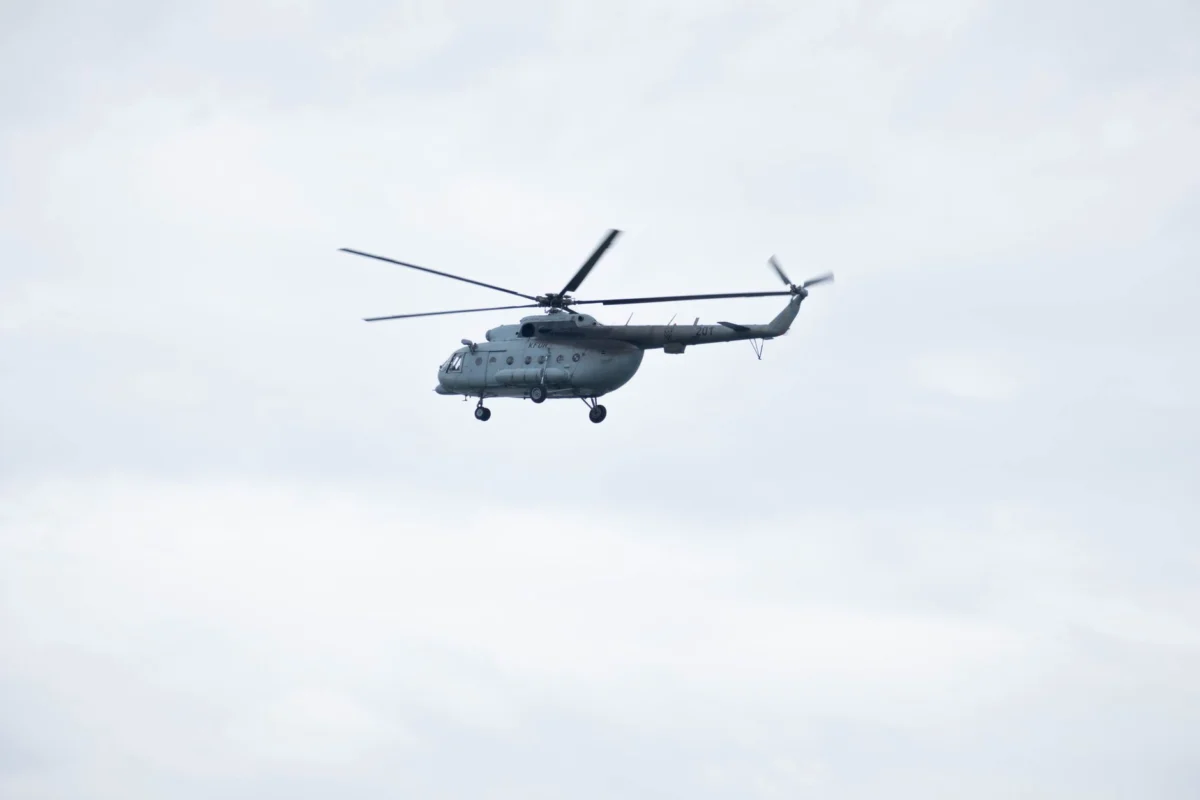
At 14,300 feet over the East China Sea, a Marine Corps pilot locked onto a drifting inflatable target with a bolt‑action rifle, sending a bullet that sang through the air before it hit dead‑on. That was the first live‑fire test of the unit’s experimental Aerial Sniper concept, unveiled last week on a remote training range.
The program, detailed in a brief on marines.mil, pairs a specially modified UH‑1Y Venom helicopter with a marksman armed with a .308‑caliber sniper rifle mounted on a stabilized gimbal. The pilot flies a precise trajectory while the shooter zeroes in on moving sea‑level targets, such as hostile small craft or unmanned surface vessels.
How the system works
Operators train for twelve weeks on simulated wave patterns before attempting live fire. The gimbal can compensate for pitch, roll, and yaw, keeping the rifle sight aligned within 0.5 MOA despite turbulence. According to the Marine Corps release, the system achieved a 93 % first‑shot hit rate on targets moving at 12 knots.
Why does this matter?
China’s expanding naval presence in the South China Sea has forced the United States to rethink deterrence. An Aerial Sniper can engage fast‑moving threats without expending expensive missiles, preserving ordnance for larger engagements. For the average taxpayer, that translates into lower defense spending per engagement and potentially fewer civilian casualties in a future conflict.
Critics note the technology’s reliance on clear weather and daylight, limiting its utility in monsoon season. Yet the Corps plans to integrate infrared optics and laser range‑finders by 2028, expanding operational windows.
Strategic implications for the Indo‑Pacific
If deployed, the Aerial Sniper could give U.S. forces a non‑escalatory option to “shoot‑down” hostile drones or swarm boats without crossing a missile‑use threshold. That precision‑strike capability might de‑escalate tense stand‑offs around disputed islands.
Moreover, allies such as Japan and Australia have expressed interest in joint training, suggesting a broader coalition effect. A shared doctrine could standardize rules of engagement, reducing miscalculations that have sparked accidents in the past.
What happens next?
The Marine Corps will field a pilot squadron of twelve helicopters by early 2027, with full operational capability slated for 2029. Congressional oversight committees are slated to review the program’s cost‑effectiveness later this year.
Stay tuned as the Aerial Sniper moves from test range to potential combat deployment, reshaping the calculus of power projection in one of the world’s most contested waterways.
Read more about related defense developments in our war‑geopolitics and technology and AI sections.