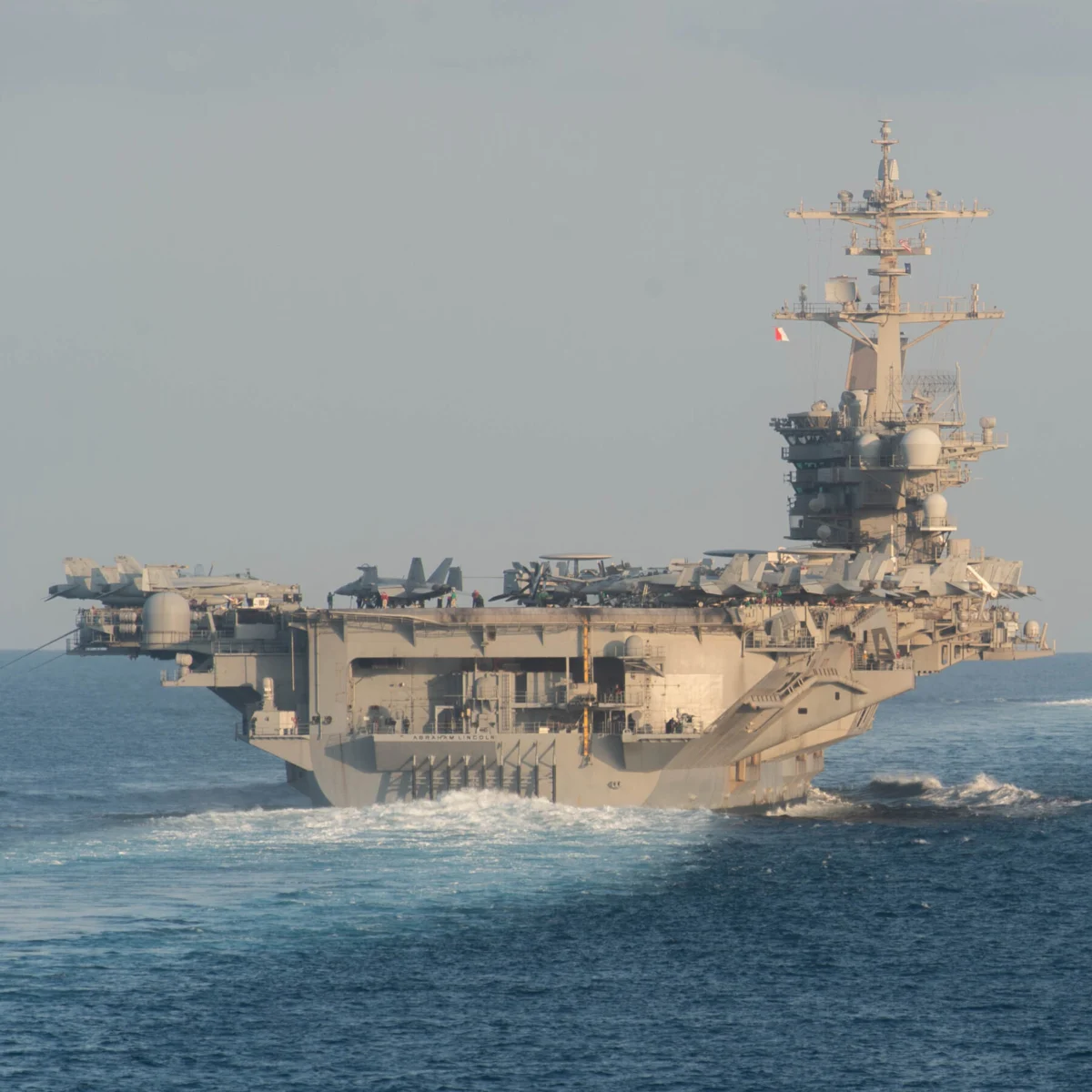
Admiral Brad Cooper, head of U.S. Central Command, recognized the difficulties faced by sailors aboard the U.S.S. Lincoln during its nearly nine-month deployment but highlighted that mental health issues were less prevalent compared to other vessels. The admiral’s comments followed a visit to the aircraft carrier, which has been operating in a high-tempo environment amid ongoing regional tensions.
The U.S.S. Lincoln, a Nimitz-class carrier, has been a key asset in U.S. naval operations, often deployed in strategic regions. Extended deployments like this one test the endurance and morale of sailors, who face long periods away from home under demanding conditions.
KEY FACTS
- Admiral Brad Cooper, head of U.S. Central Command, visited the U.S.S. Lincoln.
- The carrier has been on a nearly nine-month deployment.
- Mental health issues were reported to be lower than on other vessels.
- Admiral Cooper acknowledged the hardships faced by sailors.
What Challenges Did Sailors Face?
The prolonged deployment of the U.S.S. Lincoln placed significant strain on its crew, with sailors enduring extended periods at sea. Such deployments are known to impact mental health, family life, and operational readiness. Admiral Cooper’s acknowledgment of these hardships underscores the Navy’s awareness of these issues, even as he noted lower mental health concerns compared to other ships.
How Does This Compare to Other Deployments?
While the admiral did not specify which other vessels he was comparing the U.S.S. Lincoln to, his remarks suggest that the Navy monitors mental health metrics across its fleet. Lower reported issues on the Lincoln could reflect effective support systems or unique crew dynamics. However, without detailed data, the broader implications remain unclear.
WHAT WE KNOW — AND WHAT WE DON’T
Verified by the source:
- Admiral Brad Cooper visited the U.S.S. Lincoln and praised its sailors.
- The carrier’s deployment lasted nearly nine months.
- Mental health issues were lower than on other vessels.
Still unconfirmed:
- The specific reasons for the lower mental health issues on the U.S.S. Lincoln.
- Comparisons to other ships or deployments.
- Any changes in deployment schedules or crew support policies.
WHY IT MATTERS
The well-being of sailors is critical to maintaining operational readiness in the U.S. Navy. Extended deployments, while necessary for global security, can take a toll on personnel. Admiral Cooper’s remarks highlight the balance between mission demands and crew welfare, a topic of ongoing importance in military discussions.
WHAT TO WATCH
Further comments from Navy officials or potential adjustments to deployment policies could provide more insight into how the service addresses crew challenges. Monitoring mental health trends across the fleet will also be key to understanding the broader impact of extended operations.