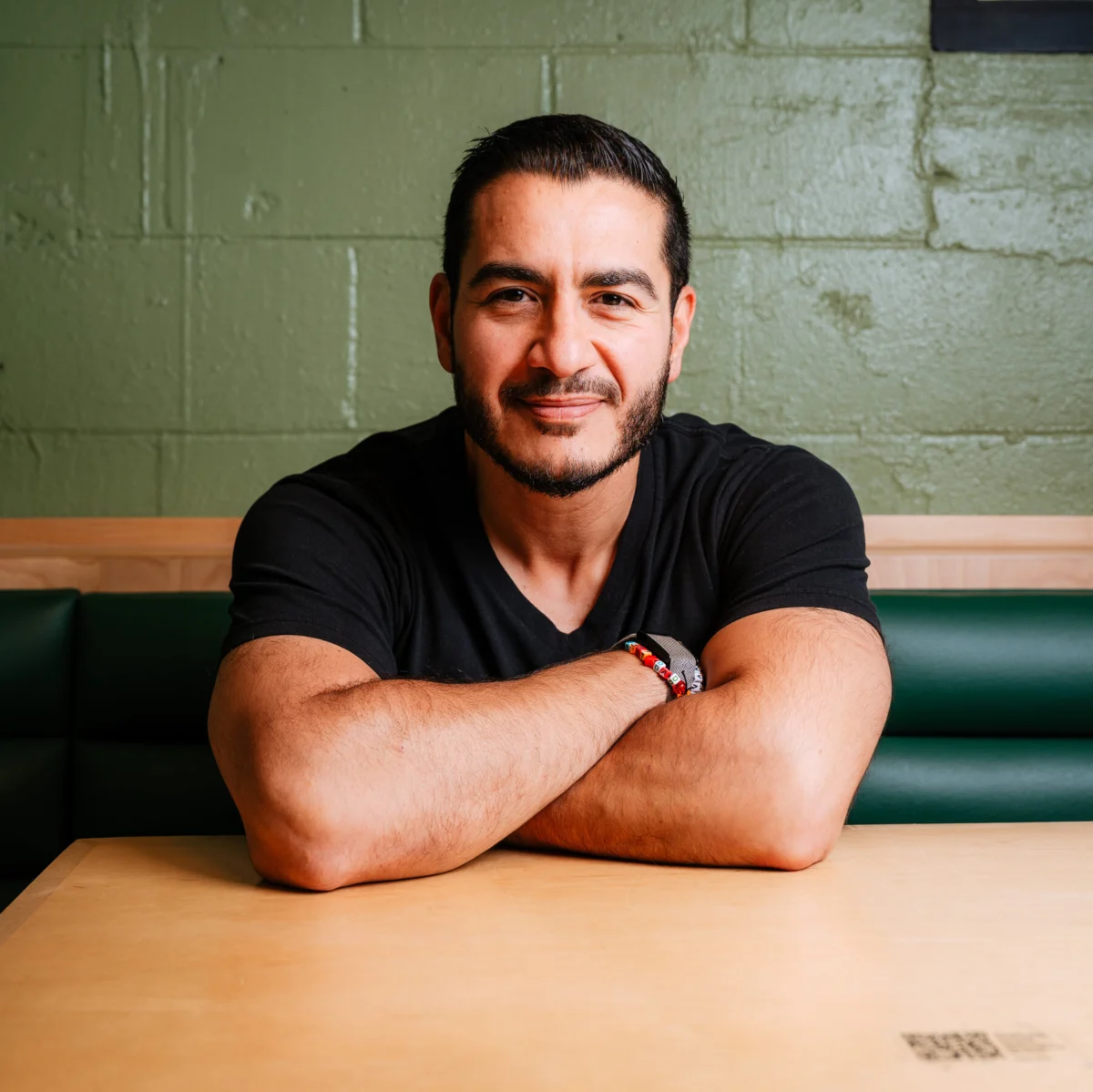
Dr. Abdul El-Sayed reflected on his political rise and personal motivations in a recent interview with The New York Times. The former Michigan gubernatorial candidate spoke about interactions with establishment figures who initially opposed his candidacy, including a notable conversation with Senate Majority Leader Chuck Schumer. He also shared personal reflections on the role his mother played in shaping his values and career.
KEY FACTS
- Dr. Abdul El-Sayed discussed his political journey in an interview with The New York Times.
- He recalled conversations with establishment figures who once opposed his candidacy.
- Among those mentioned was Senate Majority Leader Chuck Schumer.
- El-Sayed also spoke about the influence of his mother.
THE STORY
What did El-Sayad say about his political journey?
Dr. Abdul El-Sayed, a progressive Democrat who ran for governor of Michigan in 2018 and later sought a U.S. House seat, has often positioned himself as an outsider challenging the political establishment. His interview with The New York Times provided insights into his experiences navigating this role, particularly his interactions with Democratic Party leaders who initially resisted his candidacy.
How did Chuck Schumer factor into his story?
El-Sayed specifically mentioned Senate Majority Leader Chuck Schumer as one of the establishment figures with whom he had conversations. While the interview did not detail the nature of these exchanges, it highlights the tension between progressive newcomers and party leadership—a dynamic that has become increasingly prominent in Democratic politics.
WHAT WE KNOW — AND WHAT WE DON’T
Verified by the source:
- Dr. Abdul El-Sayed discussed his political experiences in an interview with The New York Times.
- He referenced conversations with establishment figures, including Chuck Schumer.
- He acknowledged the influence of his mother in his personal and professional life.
Still unconfirmed:
- The details of his conversations with Schumer or other political figures.
- Whether these discussions led to any policy or strategic shifts.
- Additional personal anecdotes or family influences beyond what was shared.
WHY IT MATTERS
El-Sayed’s perspective offers a window into the evolving dynamics of the Democratic Party, particularly the relationship between progressive insurgents and party leadership. His reflections on family influence also resonate with broader discussions about how personal backgrounds shape political leadership.
WHAT TO WATCH
Future interviews or statements from El-Sayed may provide further clarity on his political strategies and personal motivations. Additionally, responses from establishment figures like Schumer could shed light on how Democratic leadership views progressive challenges.