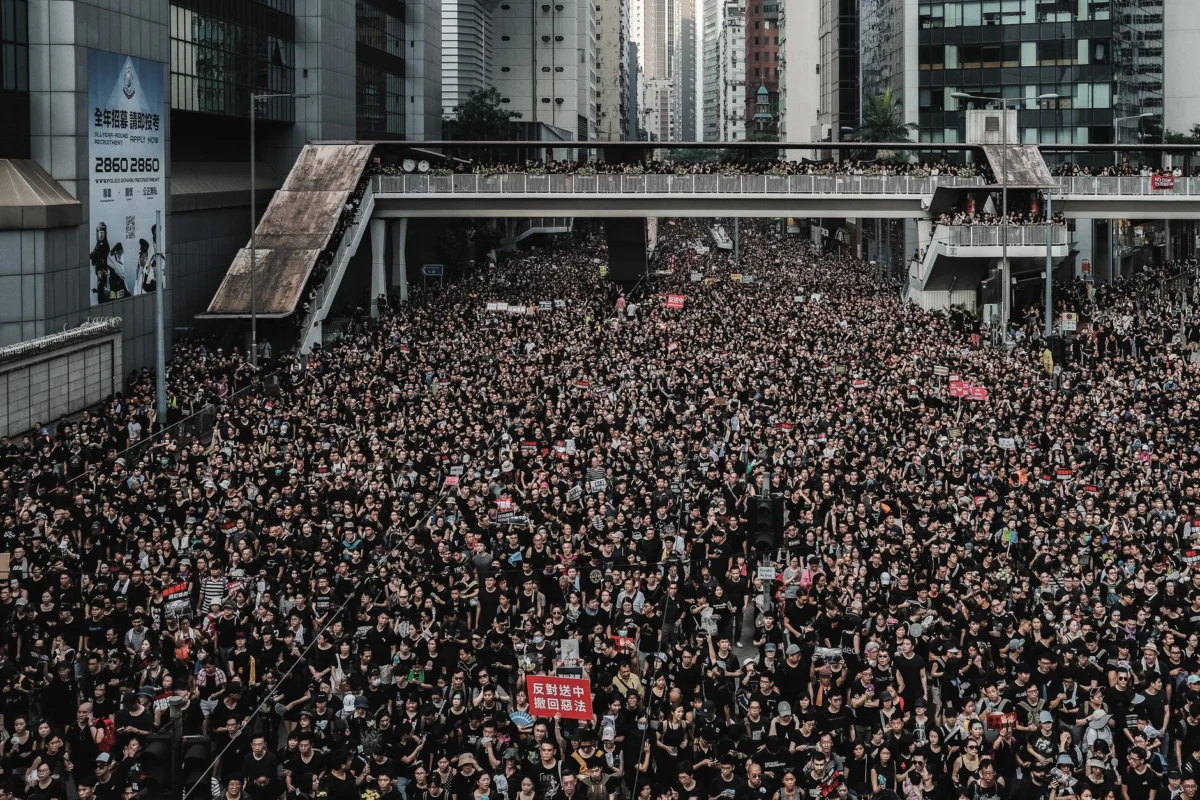
Two organizers of Hong Kong’s annual Tiananmen Square massacre vigils have been convicted under the city’s national security laws, according to a report from AP News. The convictions mark a notable escalation in the enforcement of these laws, which were imposed by Beijing in 2020 to curb dissent.
KEY FACTS
- Two organizers of Hong Kong’s Tiananmen vigils were convicted in a national security case.
- The source does not specify the charges or sentences.
- The convictions relate to the annual vigils commemorating the 1989 Tiananmen Square massacre.
THE STORY
What does this mean for Hong Kong?
The convictions signal a tightening of political freedoms in Hong Kong under national security laws. These laws were introduced in response to pro-democracy protests and have been used to target activists, journalists, and now vigil organizers. The annual Tiananmen vigils, which were once a symbol of Hong Kong’s semi-autonomous status, have been banned in recent years.
How did we get here?
Hong Kong’s national security laws were enacted in 2020, granting authorities sweeping powers to prosecute acts deemed as secession, subversion, terrorism, or collusion with foreign forces. The laws have been criticized by international human rights groups for stifling dissent. The convictions of the vigil organizers appear to be part of a broader crackdown on political activism in the city.
WHAT WE KNOW — AND WHAT WE DON’T
Verified by the source:
- Two organizers of Hong Kong’s Tiananmen vigils were convicted.
- The case falls under national security laws.
Still unconfirmed:
- The specific charges and sentences.
- The identities of the convicted organizers.
- Whether the convictions will be appealed.
WHY IT MATTERS
This development underscores the shrinking space for political expression in Hong Kong since the imposition of national security laws. It also raises concerns about the future of civil liberties in the city, which was once known for its relative freedoms compared to mainland China.
WHAT TO WATCH
Observers will be watching for any official statements from Hong Kong authorities and potential reactions from international human rights organizations. Further details about the case may emerge in the coming days.