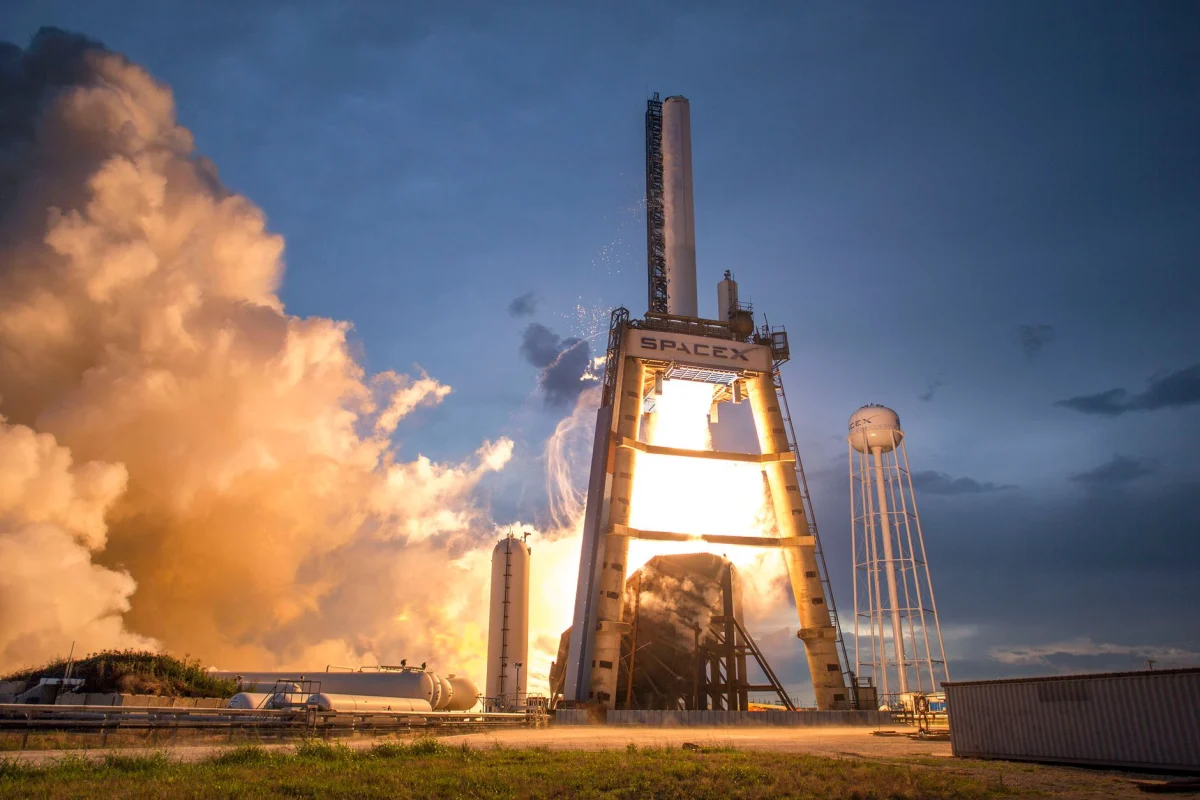
Washington—A recently released analysis says SpaceX wields overwhelming monopoly power in the nascent space economy, raising concerns that its dominance could limit competition and shape the sector’s growth trajectory.
The study, cited by 24/7 Wall St. and based on interviews with industry analysts and officials, finds that SpaceX controls roughly 80 percent of U.S. launch capacity and commands a majority of the emerging market for satellite servicing, in‑orbit manufacturing and space‑based logistics.
“SpaceX’s vertical integration—from propulsion to ground‑segment services—creates barriers that new entrants find hard to overcome,” said one analyst who requested anonymity. “When a single firm decides the pricing, schedule and technical standards, the whole ecosystem adjusts to its terms.”
SpaceX’s grip on the market stems from its aggressive cost‑reduction strategy, reusable booster technology and a growing portfolio of government and commercial contracts. Federal officials note that the company has won more than $10 billion in NASA and Department of Defense launch agreements since 2015, a figure that dwarfs the combined awards to other U.S. launch providers.
Critics argue that such concentration could hamper innovation and raise regulatory challenges as the industry moves beyond simple satellite deployment toward activities like space tourism, asteroid mining and large‑scale orbital manufacturing. “We need a competitive landscape to ensure a diverse supply chain and resilient infrastructure,” said a senior official at the Federal Aviation Administration, who declined to be identified.
While SpaceX continues to expand its Starlink constellation and plans for a lunar lander, lawmakers are reportedly reviewing antitrust guidelines specific to space. The Department of Justice has opened a preliminary review of the sector, focusing on whether current market dynamics violate competition statutes.
If unchecked, SpaceX’s monopoly could shape pricing and access for governments and private firms for decades, potentially steering the direction of the multi‑trillion‑dollar space economy. Analysts suggest that increased regulatory scrutiny or the emergence of capable rivals such as Blue Origin, Rocket Lab or emerging international players will be pivotal in balancing the market and fostering a more competitive environment.